PERSONAL TRAINING

10 Things All PTs Need to Know
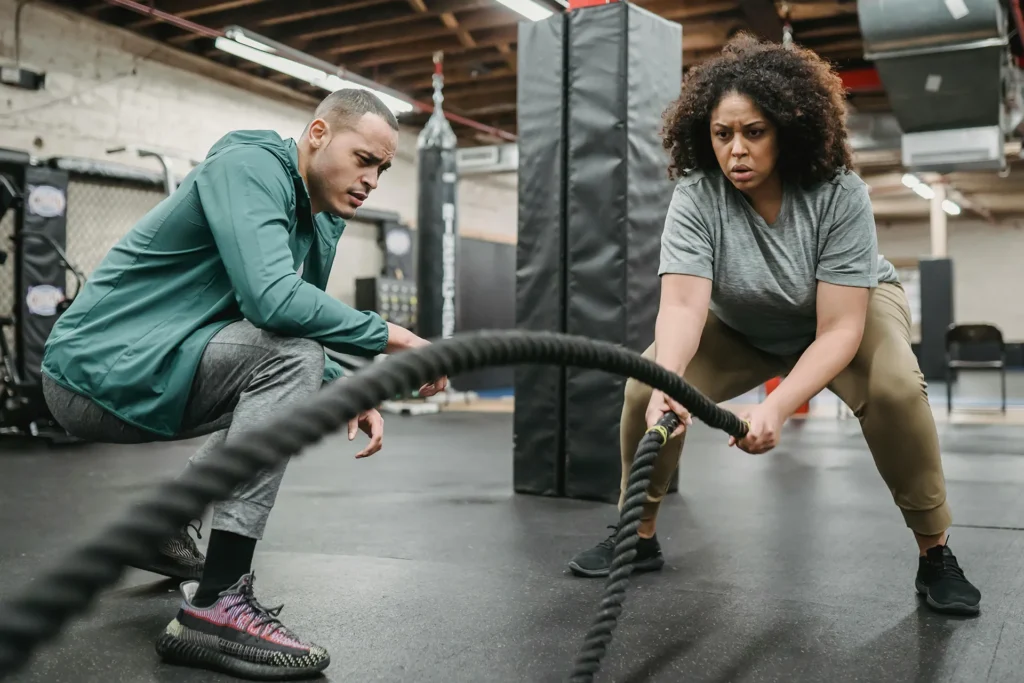
Earning an accredited certification is an essential step toward becoming a fitness professional, but textbooks, courses, podcasts, and webinars can only take you so far. Dr Erin Nitschke explains.

Many of the most valuable lessons in personal training are learned through experience: working with real people, navigating challenges, and reflecting on what does and doesn’t work. The following 10 lessons are insights typically gained after having made mistakes along the journey.

01

Sales Skills Matter

Like it or not, personal training is a customer service-based profession. Being certified and available isn’t enough; clients need a reason to invest in you. Developing basic sales and marketing skills helps you clearly communicate your value and show clients how working with you will help them achieve their goals. Confidence, clarity, and connection go a long way.

It’s Not About Weak Glutes

Blaming ‘weak glutes’ has become a convenient explanation for poor movement. In reality, the gluteal muscles are large and inherently strong. What most clients struggle with is effective muscle activation, not strength. Coaching effective cues and helping clients develop a mind–muscle connection, such as encouraging them to “squeeze the glutes” during the ascent of a squat, can dramatically improve movement quality.

02

03

Rest and Recovery Are Non-Negotiable

While rest days are often encouraged, they’re not always intentionally programmed. If clients are serious about progress, recovery must be treated as part of the plan, not an afterthought. Teaching clients mindful approaches to rest, sleep, and recovery will lead to better results than simply pushing harder in every session. Downtime is productive and restorative.

Mistakes Are Valuable Teachers

Many of us grow up associating mistakes with failure or punishment. That mindset doesn’t serve professionals well. You will make mistakes (and that’s a good thing); what matters is how you respond. Learn from them, take responsibility when necessary, apologise if appropriate, and move forward. Growth comes from reflection, not perfection.

04

05

Schedule Sessions Intelligently

It’s tempting to book clients back-to-back to maximise income, but this often leads to burnout and reduced effectiveness. Build buffer time between sessions to complete notes, review programming, hydrate, eat, or take a short walk. Your energy and focus are professional assets, and you should protect them through thoughtful scheduling and self-care.

The Core Is More Than Abs

The ‘core’ is often reduced to visible abdominal muscles, but true core strength includes the low back, hips, and surrounding stabilisers. Strong abs without adequate posterior and hip support can lead to dysfunction and imbalance. Teach clients the importance of balanced core training so the lower back doesn’t compensate during lower-body movements.

06

07

Flexibility Needs to Be Programmed

Early in my career, I assumed clients would complete warm-ups and stretching on their own. They didn’t. Many skipped them entirely, often saying stretching took too much time. The solution was simple: include mobility, flexibility, and recovery work directly in the session. If it isn’t programmed, it likely won’t happen.

Motivational Interviewing Is a Gamechanger

Motivational interviewing (MI) isn’t just for counsellors; it’s a powerful tool for personal trainers. MI emphasises guiding rather than directing, using open-ended questions to help clients uncover their own motivation for change. When clients connect with their ‘why’, adherence and long-term success improve dramatically.

08

09

Asymmetrical Training Corrects Imbalances

Bilateral training is effective and important, but it doesn’t always reveal or correct muscular imbalances. Unilateral and asymmetrical loading can highlight weaknesses and help restore balance between sides of the body. Assess clients regularly and program strategically to address discrepancies from side to side and front to back.

Trust Your Own Brilliance

Personal training isn’t a cookie-cutter profession. Every client brings unique goals, abilities, preferences, and challenges. While foundational principles guide your work, your instincts and creativity matter. Trust your education, your experience, and your ability to adapt. Ask for feedback, seek mentorship, and be willing to try new approaches. Confidence grows through application.

10

These 10 lessons are only a starting point, but they represent some of the most important insights I’ve gained over 23 years of practice and education. Above all, commit to continued learning. Stay curious, remain humble, and keep refining your skills so you can best support your clients on their journey to success. Good luck!
Facebook
Twitter
LinkedIn
WhatsApp
Email
Print

Dr Erin Nitschke

Dr Erin Nitschke is the Dean of Workforce Innovation and Curriculum at Lionel University, where she leads the development of career-focused programs in health, wellness, and human performance. With over 20 years of experience in higher education and the fitness industry, she specialises in exercise science, behaviour change, and applied, student-centred learning.