Training
Kettlebell Flows: Strength, Skill And Movement Intelligence Rolled Into One
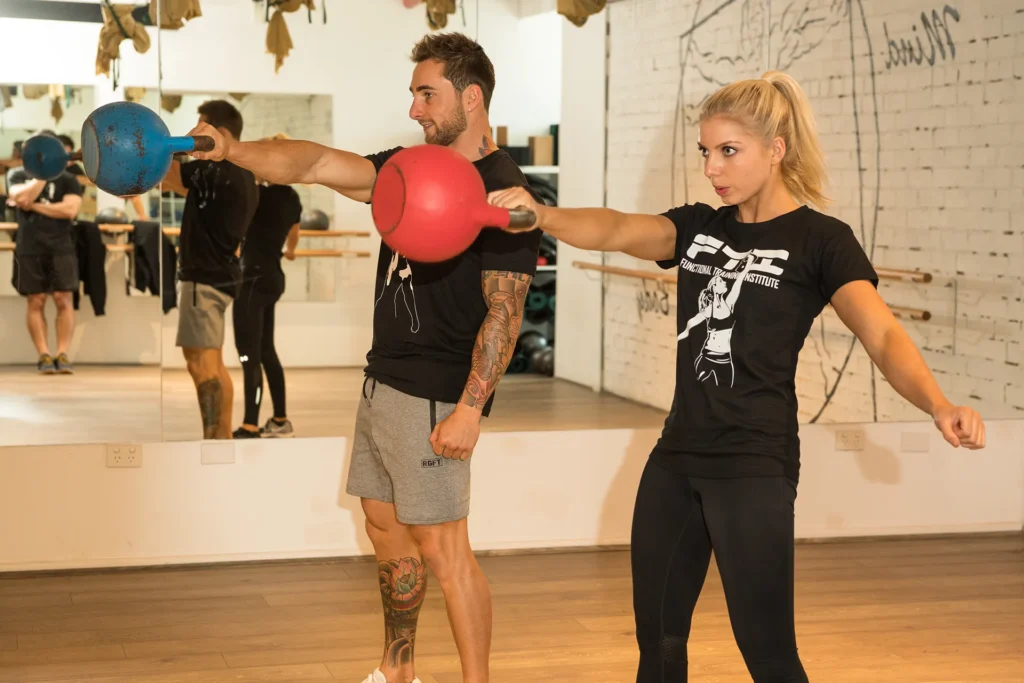
When it comes to kettlebell training, the foundational lifts include the kettlebell swing, kettlebell clean, kettlebell strict press, and Turkish Get Up. Each of these movements develop a unique combination of strength, power, stability, coordination, and movement awareness while providing the foundation upon which more advanced kettlebell training can be built. As kettlebell great Steve Cotter would say, “Always go back to the fundamentals to reinforce good technique and patterns”.
Once these fundamental movement patterns are established and performed with consistency and competency, coaches can begin introducing more advanced training methods. This may involve kettlebell complexes, where individual exercises are linked together – called ‘kettlebell flows’ – where movements transition seamlessly from one to the next without interruption. While both approaches have value, kettlebell flows offer a unique opportunity to develop not only physical qualities such as strength and conditioning, but also rhythm, timing, movement intelligence, and the ability to coordinate multiple patterns into one cohesive sequence.
The goal with kettlebell flows, however, is not simply to perform more kettlebell exercises. The aim is to connect movement patterns in a way that develops adaptability, coordination, and movement competency under increasing levels of complexity.
What Is A Kettlebell Flow?
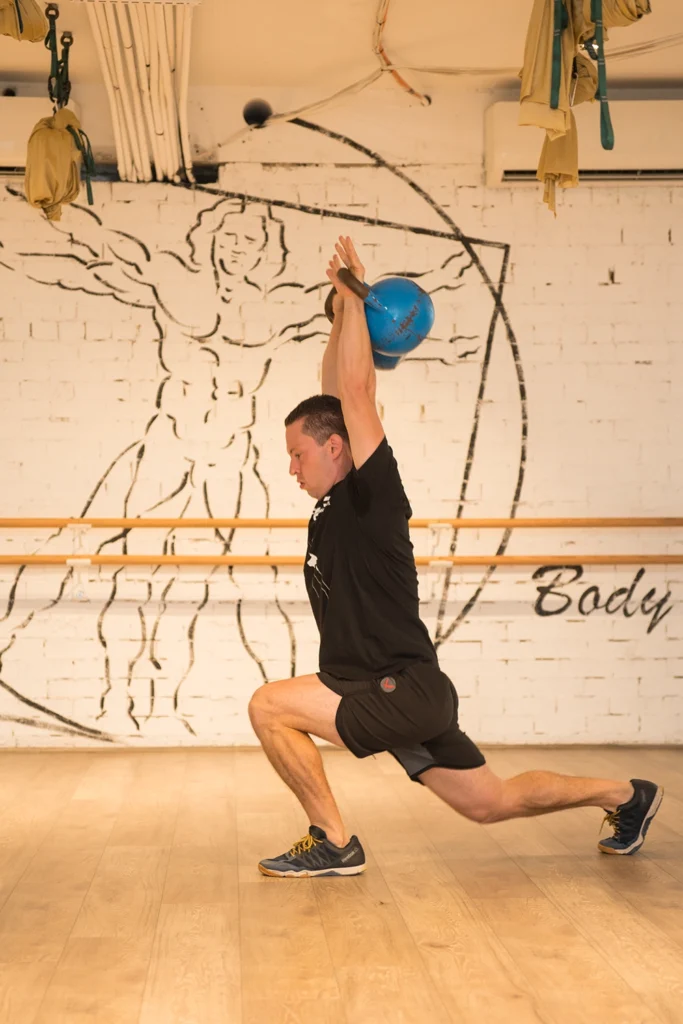
A kettlebell flow is a sequence of connected movements performed without placing the kettlebell down between exercises. The defining characteristic is simple: each movement transitions smoothly into the next, creating a continuous and purposeful sequence.
Unlike traditional circuits, which often focus on accumulating volume or fatigue, flows place a greater emphasis on movement quality, timing, and transition efficiency. The kettlebell becomes a tool that teaches the body how to organise movement under changing demands. The intention is not to perform flows under fatigue or as a high intensity style program. As the demands of complexity are greater than isolated or individually performed movement.
From a coaching perspective, flows are not simply conditioning drills. They are a method of developing movement competency, confidence and a degree of mastery. The goal is to become less rigid and smoother, hence the concept of ‘movement flow’.
Many coaches make the mistake of treating flows as finishers, prescribing them at the end of a workout when fatigue is already high. In reality, the greatest value of a kettlebell flow comes when clients or athletes are fresh enough to focus on precision, coordination, and control. The transition between movements is often where the greatest learning occurs.
Watch Video 1
Introduction to Kettlebell Flows
We highly recommend watching this video before progressing through the remainder of this article, as it provides the foundation for understanding how flows should be coached and programmed.
Why Flows Matter For Coaches
The role of the coach is to create learning environments that help individuals become more adaptable, resilient, and confident movers. Kettlebell flows do exactly that.
As movements are connected together, athletes and clients are required to solve movement problems in real time. They must stabilise, coordinate, transfer force, manage momentum, and maintain awareness throughout the sequence.
- strength
- power
- stability
- coordination
- timing
- spatial awareness
- movement variability such as transverse patterns.
Building The Flow Continuum
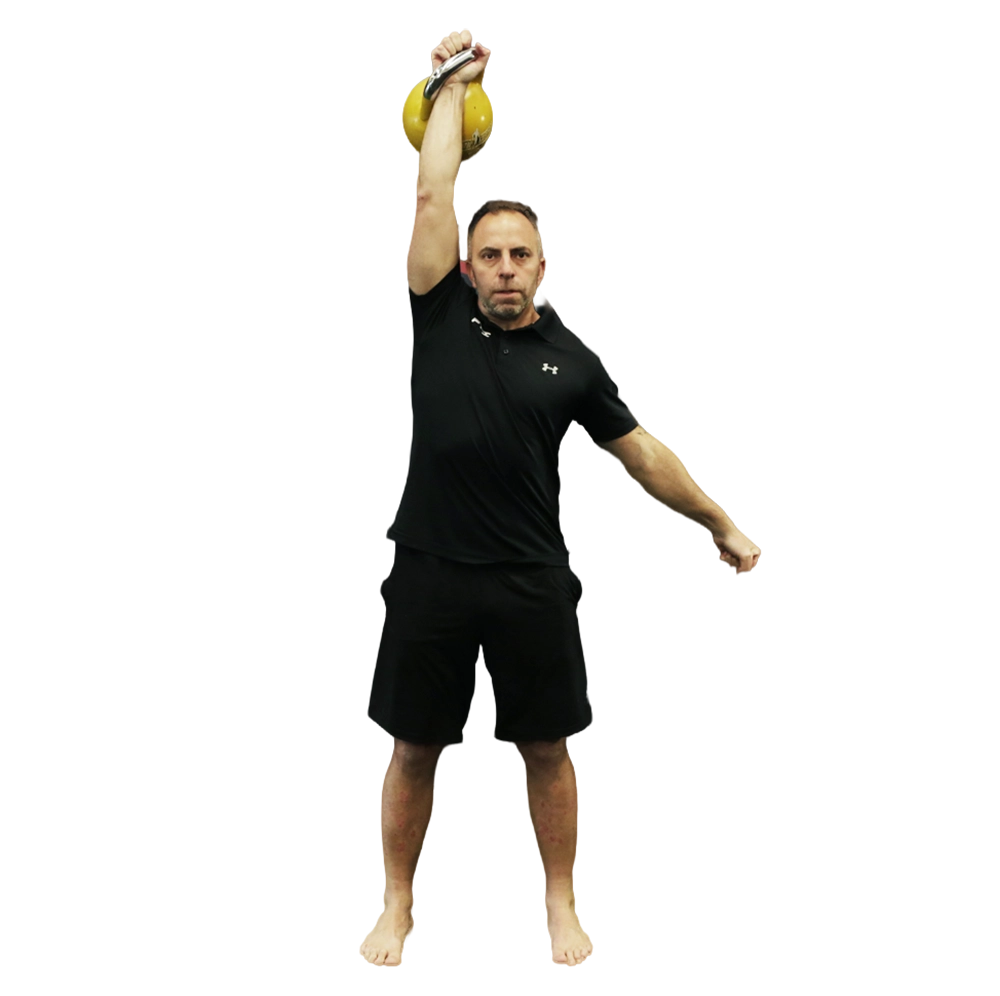
Kettlebell flows can be viewed as part of a progression continuum. Coaches should never rush complexity. Instead, each stage builds upon the competencies developed in the previous stage.
Classic Flows: establishing rhythm and control
The first step is introducing simple, symmetrical flows that allow clients to develop rhythm and confidence. A beginner sequence might include:
- 2 hand swings
- Goblet squats
- 2 hand presses
- goblet lunges.
These foundational flows teach clients how to manage transitions while maintaining posture, breathing, and control of the kettlebell.
As competency improves, coaches can introduce more advanced asymmetrical flows. One of our favourites is the 5×5 flow which is performed on one side, before transitioning to the other side, using the following one-arm movements:
- 5 one-arm swings
- 5 rack squats
- 5 single arm presses
- 5 cleans
- 5 rack reverse lunges.
The objective is not speed. The objective is fluidity.
Smooth transitions often tell us more about movement competency than the exercises themselves.
Watch Video 2
Classic Kettlebell Flows
Watching the flow in real time will help coaches better understand the rhythm, timing, and movement organisation that cannot always be captured through written explanation alone.
The Get Up Flow: connecting ground and standing positions
Once clients have developed a strong foundation, we can begin introducing flows based around the Turkish Get Up, which is a movement that is often regarded as one of the most valuable exercises in kettlebell training, because it teaches stability, body awareness, and positional strength across multiple movement patterns.
The Get Up Flow extends these benefits by connecting ground-based and standing patterns into a continuous sequence.
- A typical structure may include:
- safety roll
- floor presses
- ground to stand
- thrusters
- return to the ground.
The result is a flow that challenges clients to move efficiently from the floor to standing and back again while maintaining control throughout.
This style of training reinforces one of the most important coaching qualities: organisation under movement complexity.
Watch Video 3
The Get Up Flow
If you currently teach the Turkish Get Up as an isolated exercise, this video will show you how to progress it into a more integrated movement experience.
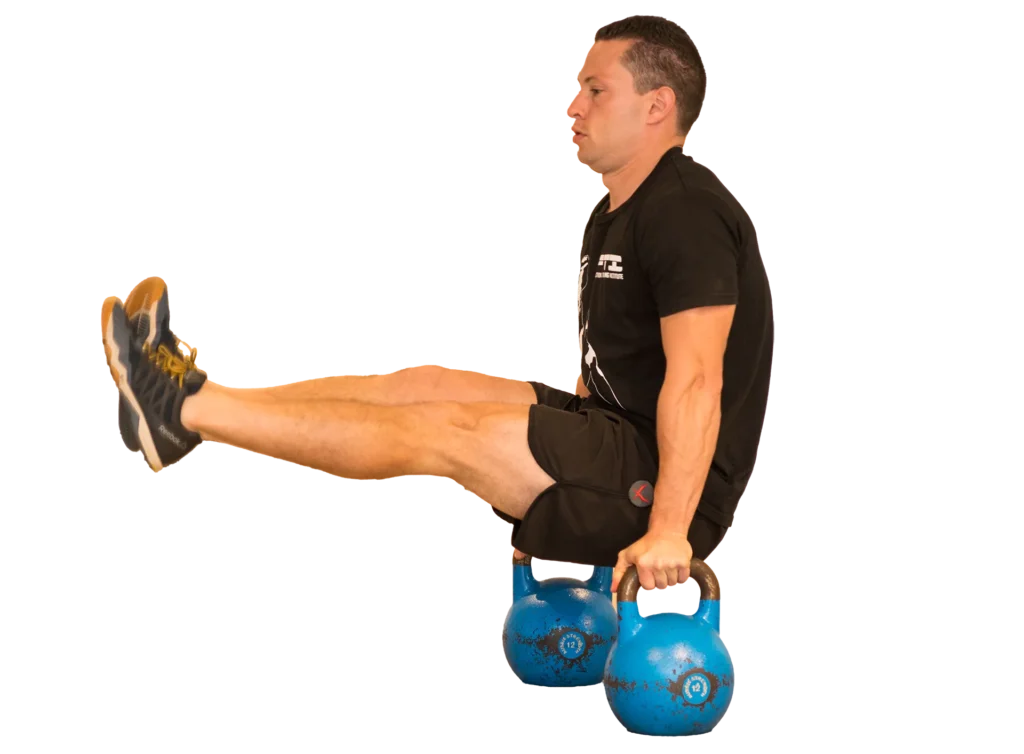
Rotational Flows: moving beyond the sagittal plane
Many traditional strength programs are dominated by sagittal plane movements. Life and sport, however, are not.
- whip clean
- rotational press
- side lunge or Cossack squat.
These movements require clients and athletes to absorb and produce force in multiple directions while maintaining trunk stability and shoulder control.
Rotational flows are particularly valuable because they expose asymmetries quickly. Weaknesses that remain hidden during bilateral lifting often become immediately apparent when movement occurs across multiple planes in unilaterally loaded positions. For coaches, this creates opportunities to improve movement quality, resilience, and overall athletic performance.
Watch Video 4
Rotational Kettlebell Flows
The coaching cues around the transition phase are particularly important, as they help maintain flow integrity while protecting the shoulder complex.
Double Kettlebell Flows: greater strength and stability requirements
The final progression introduces double kettlebells.
At first glance, the movements may appear similar to those performed with a single kettlebell. However, the demands increase significantly.
- Working with two kettlebells simultaneously requires greater:
- strength
- stability
- coordination
- positional awareness.
- A typical double kettlebell flow may include:
- double swings
- double squats
- double cleans
- double presses
- high pull catches
- alternating lunges.
The challenge is no longer simply performing the movement. The challenge is maintaining technical precision while controlling two independent loads through every transition. This is why progression matters.
Double kettlebell flows should only be introduced once the foundational movement patterns have become stable, repeatable, and automatic.
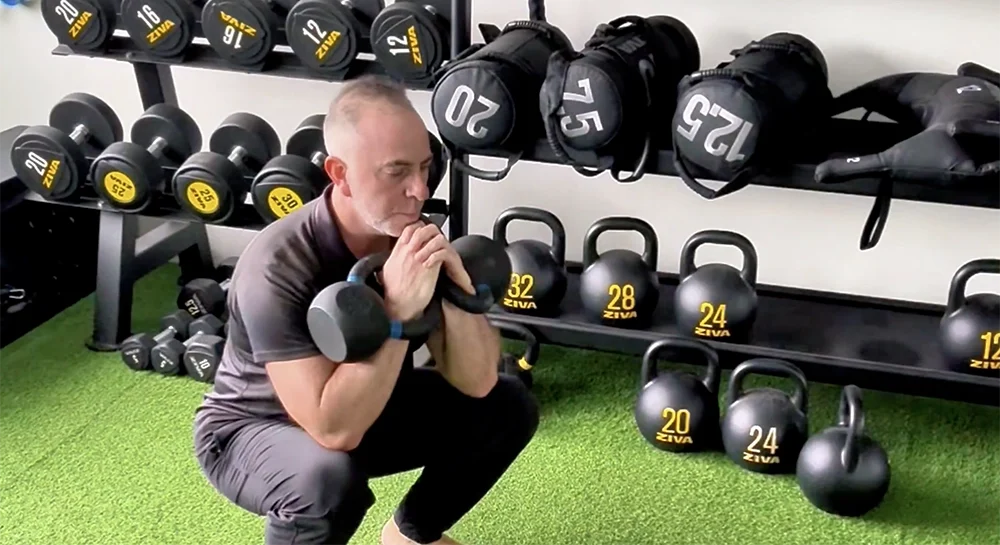
Watch Video 5
Double Kettlebell Flows
Before attempting this progression, ensure competency in the previous flow variations. This video demonstrates how stability, timing, and coordination become increasingly important as complexity rises.
Coaching Principles That Never Change
Regardless of the flow variation being used, several coaching principles remain constant.
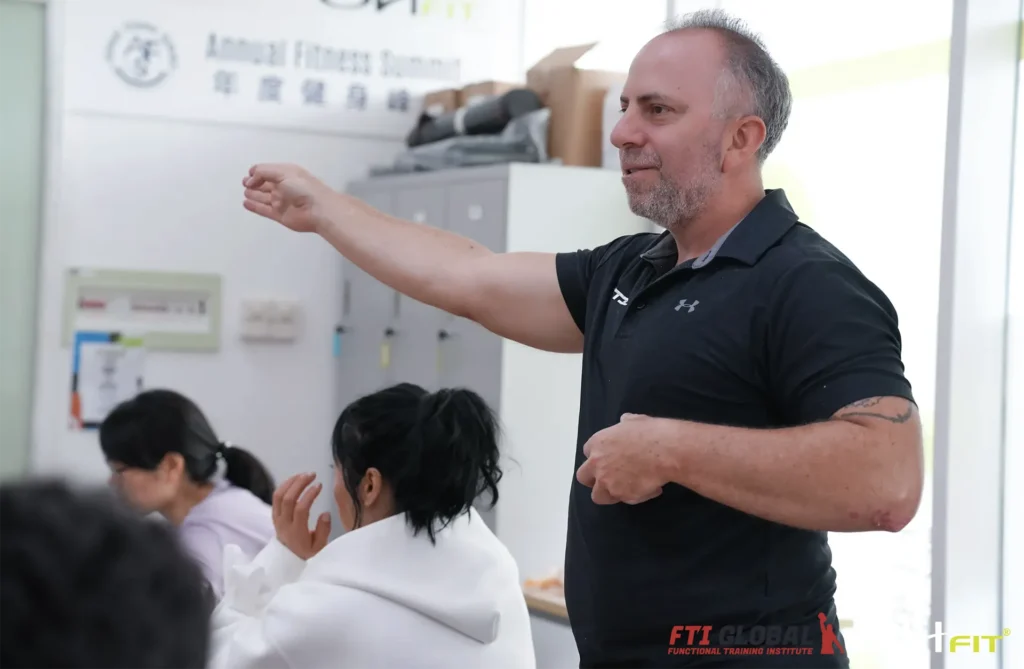
Start conservatively
Most coaches select loads that are too heavy too early. The priority should always be stabilising the pattern before increasing intensity.
Competency before complexity
Just because a client can perform an individual movement does not mean they can perform it effectively within a flow. Transitions create new challenges that must be earned through practice.
Quality over fatigue
Flows should not become survival drills. The moment movement quality deteriorates, the learning opportunity begins to disappear.
Coach the transition
Experienced coaches understand that the transition often matters more than the movement itself. The quality of the transition reveals how effectively the nervous system is organising the task.
The Bigger Coaching Lesson
The true value of kettlebell flows extends far beyond kettlebell training. Flows teach people how to move with purpose. They develop awareness, adaptability, and confidence across a wide range of movement challenges.
As coaches, our responsibility is not simply to teach exercises. Our responsibility is to take the client or athlete on a movement journey towards any type of task or movement mastery.
Kettlebell flows provide a practical and highly effective framework for achieving this goal. By progressing clients from foundational lifts through classic flows, Get Up variations, rotational patterns, and eventually double kettlebell sequences, we create an environment where strength, skill, and movement intelligence evolve together.
Remember, mastery is not about collecting more exercises. It’s about developing the ability to connect movement with purpose.
If you would like to deepen your understanding of kettlebell coaching, programming, regressions, progressions, and movement-based coaching principles, check out the Functional Training Institute’s Kettlebell Instructor Courses and educational pathways by downloading a Free 8 Week Kettlebell Program.

Tarek Michael-Chouja
Tarek is the Co-Founder and CEO of the Functional Training Institute, where he champions the idea that the ‘inner game informs the outer game’, emphasising that true functional coaching must integrate the mental and emotional aspects of performance alongside the physical. Currently pursuing a PhD at Southern Cross University that bridges exercise science and psychology, Tarek is at the forefront of research in mindfulness and nature-based wellbeing.