SPECIAL POPULATIONS
Measuring What Really Matters in Senior Fitness
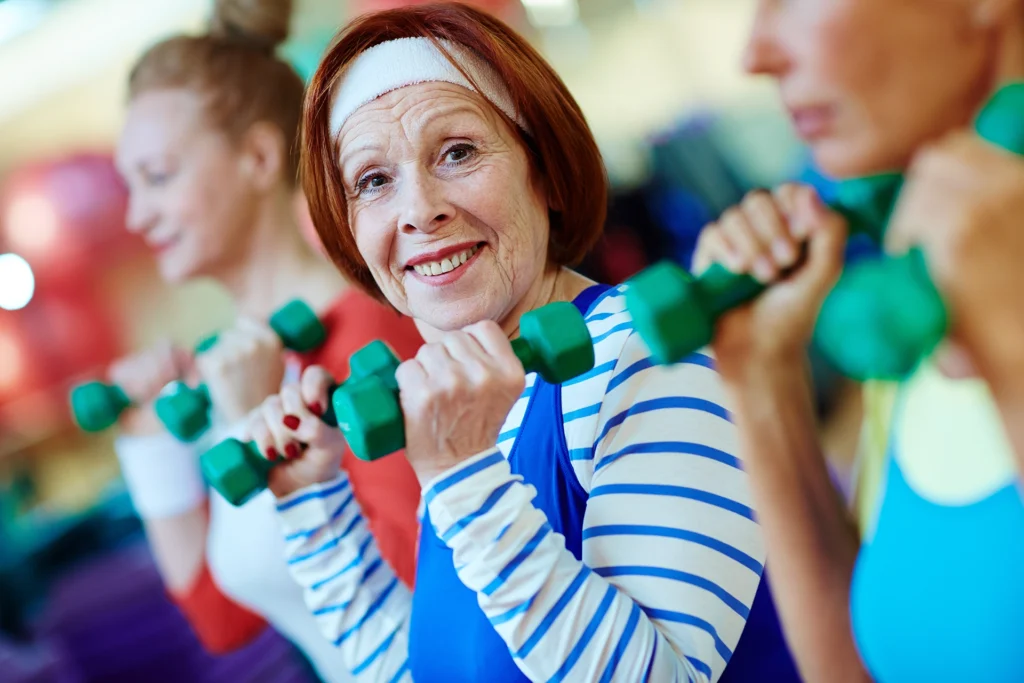
For years, senior fitness programming has prioritised safety, low-impact exercise, and basic strength training. These elements are essential and should not be removed. But on their own, they do not fully address the challenges older adults face outside the gym.
Many seniors who attend regular classes still struggle with balance, reaction time, coordination, and confidence when navigating everyday situations. Falls, fear of movement, and loss of independence often occur not because someone is weak, but because their nervous system is not prepared to respond to the unpredictable nature of real life. This raises an important point for fitness professionals to have a new way of thinking, one that prioritises functional ability, reaction, confidence and cognitive engagement, and gives fitness professionals practical ways to assess progress.
Moving Beyond Attendance and Enjoyment
Traditional success metrics in senior fitness often include attendance, participant satisfaction, and overall fitness improvements. While these are useful indicators, they do not capture the outcomes most closely linked to independence and quality of life.
Longevity-focused training requires us to look deeper. It requires measures that reflect how well someone can move, react, and function in the real world.
Five Measures That Matter Most
01
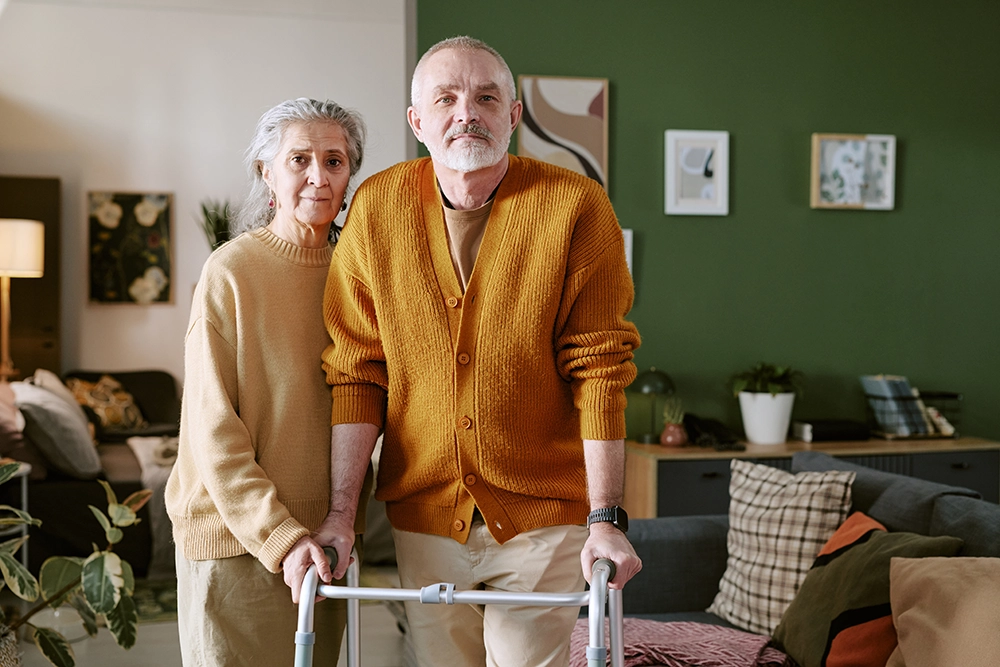
Grip strength is one of the strongest predictors of overall health and longevity in older adults. It correlates with mobility, fall risk, and the ability to perform daily tasks such as carrying objects or using mobility aids.
02
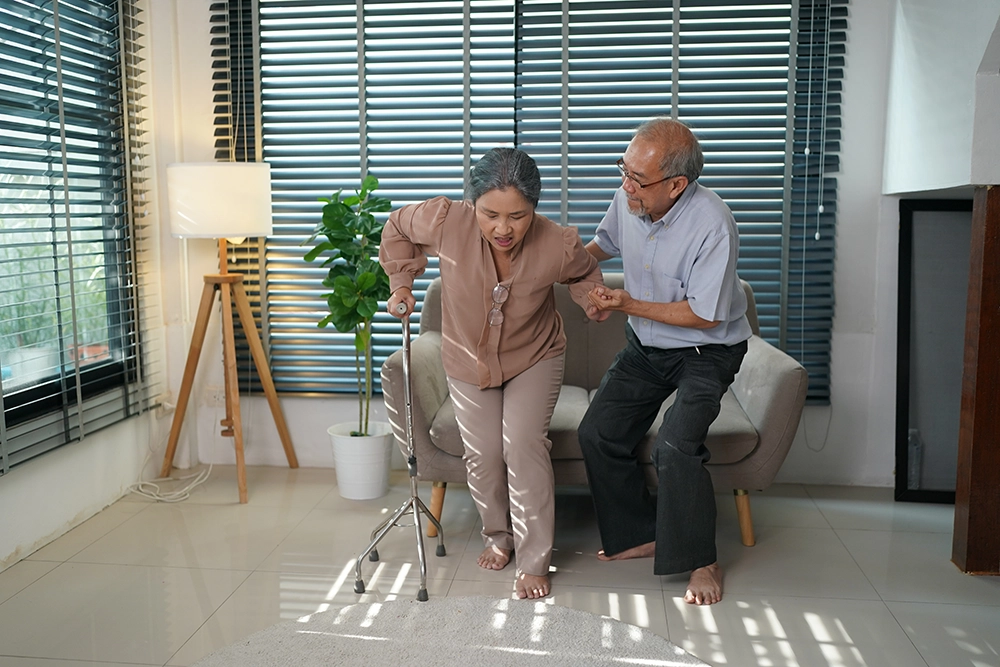
Chair stand performance reflects lower-body strength and functional mobility. The ability to repeatedly stand from a chair is directly related to stair climbing, transfers, and confidence in daily movement.
03
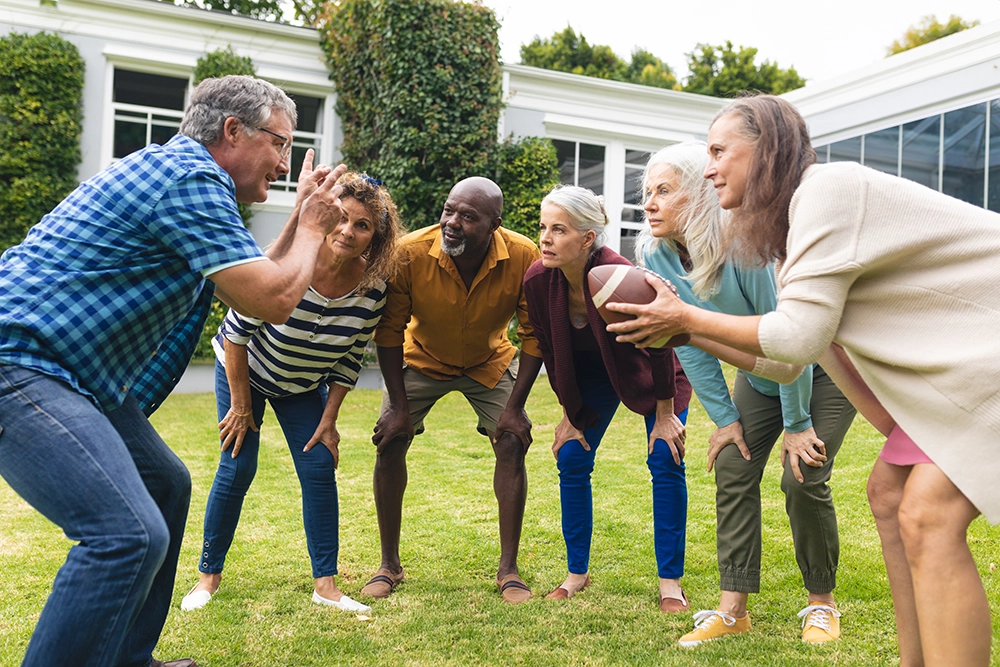
Reaction and response time are often overlooked, yet they play a critical role in fall prevention. Falls rarely occur during slow, planned movements. They happen when someone must respond quickly to an unexpected challenge.
04
Recall and dual-task performance provide insight into how well the brain and body work together. Walking while talking, turning while carrying an object, or navigating busy spaces all require attention and coordination. Improvements in these areas are closely linked to safer gait and better balance.
05
Mood and self-reported well-being round out the picture. Confidence, enjoyment, social connection, and reduced fear of falling strongly influence long-term participation and overall quality of life.
Training for Real Life, Not Just the Gym
When these measures improve, we see outcomes that matter: safer movement, greater confidence, and sustained independence. This requires training approaches that challenge both the body and the brain through coordination, rhythm, reaction, and adaptability.
Strength remains important. So does cardiovascular fitness. But longevity training must also prepare people for complexity, variability, and real-world demands.
As the industry continues to evolve, the opportunity lies in shifting from simply delivering exercise to delivering function. That shift begins with measuring what truly matters.
Movement training that includes coordination, rhythm, timing, bilateral integration and reaction challenges the nervous system in a way that traditional strength or cardio work often doesn’t. This kind of training supports the nervous system’s ability to adapt, builds new neural connections (neuroplasticity), and may even foster the growth of new brain cells (neurogenesis). These principles are at the heart of many advanced longevity programs that help older adults not just move better but live better.
Final Thought
Extending lifespan is important, but protecting healthspan – the years we stay active, independent, engaged and confident – is what truly benefits those we serve.
As fitness professionals, our role is evolving. It’s no longer enough to count reps or steps. The most valuable outcomes are those that show a person can rise from a chair, walk safely in the community, react to unexpected challenges, and live with confidence. That’s what longevity training is all about, and that’s what our clients deserve.
Sylvia Lokollo
Sylvia Lokollo is StickFit® Head Master Trainer with a background in elite sport and functional training. She leads StickFit® Instructor Certification, education pathways, and programming development globally.