
As a gym owner or fitness trainer you’re exposed to some industry-specific risks that you need to be aware of and factor into your business planning. Here are some of the potential pitfalls to consider and insurance policies that can provide protection.
- Public liability insurance
- Professional liability insurance
- Property insurance
- Business interruption insurance
- Cyber insurance
Liability for injury or property damage
If a client injures themselves while using your equipment or during a training session, or their property is damaged while on your premises, public liability insurance cover can help with settling their claim or with legal costs and damages if the matter goes to court.
While participating in an exercise class a gym member slipped over on a patch of wet floor, rupturing their Achilles tendon and sustaining bruises and abrasions, as well as shock. The damages claim exceeded $180,000 – a ruinous sum for the gym without public liability cover.
Professional liability
If a client claims that your advice or training caused them harm you could be sued. Professional liability insurance can help protect you in such situations in a similar way to public liability cover – by assisting with legal costs, damages or settlement out of court.
A potential pitfall for gym owners and trainers is to assume your insurance includes this essential cover. Always check your policy to make sure.

A personal trainer instructed their client to perform a box jump as part of their exercise session but the client lost their balance and fell over backwards, fracturing both wrists. The damages claim against the trainer, which included permanent loss of full mobility, scarring and mental stress, was for more than $182,000.
Property damage
Your gym or studio could be damaged due to fire or natural disasters, or your equipment damaged or stolen by criminals. Having property insurance can help cover the costs of repairs or replacement.
It’s important to keep your sums insured up to date so they reflect new purchases and upgrades – keeping the receipts or records of payments is advisable. A possible pitfall is insuring for the cost price. Be sure to regularly update your sums insured in line with the replacement cost in the current market, taking local council regulations into consideration.
- Pitfall
- Better
Business interruption
If you’re forced to close your gym or studio temporarily due to unforeseen circumstances such as a natural disaster, business interruption insurance can help cover the loss of income while covering your ongoing overheads, including wages, during shutdown.
A potential pitfall if your premises need rebuilding or repairing is underestimating the indemnity period in relation to the availability of skills and materials in your area – a standard year may not be long enough. Research the market and be realistic when you nominate the indemnity period.
Cybersecurity risks
As more fitness businesses move online the risk of cyber-attacks and data breaches increases accordingly. Criminals may target your financial system or membership data and trainer’s records that may include medical information. Cyber insurance can provide help and support with the costs involved with a cyber-attack including forensic investigation, remediation, regulatory compliance and damage control.
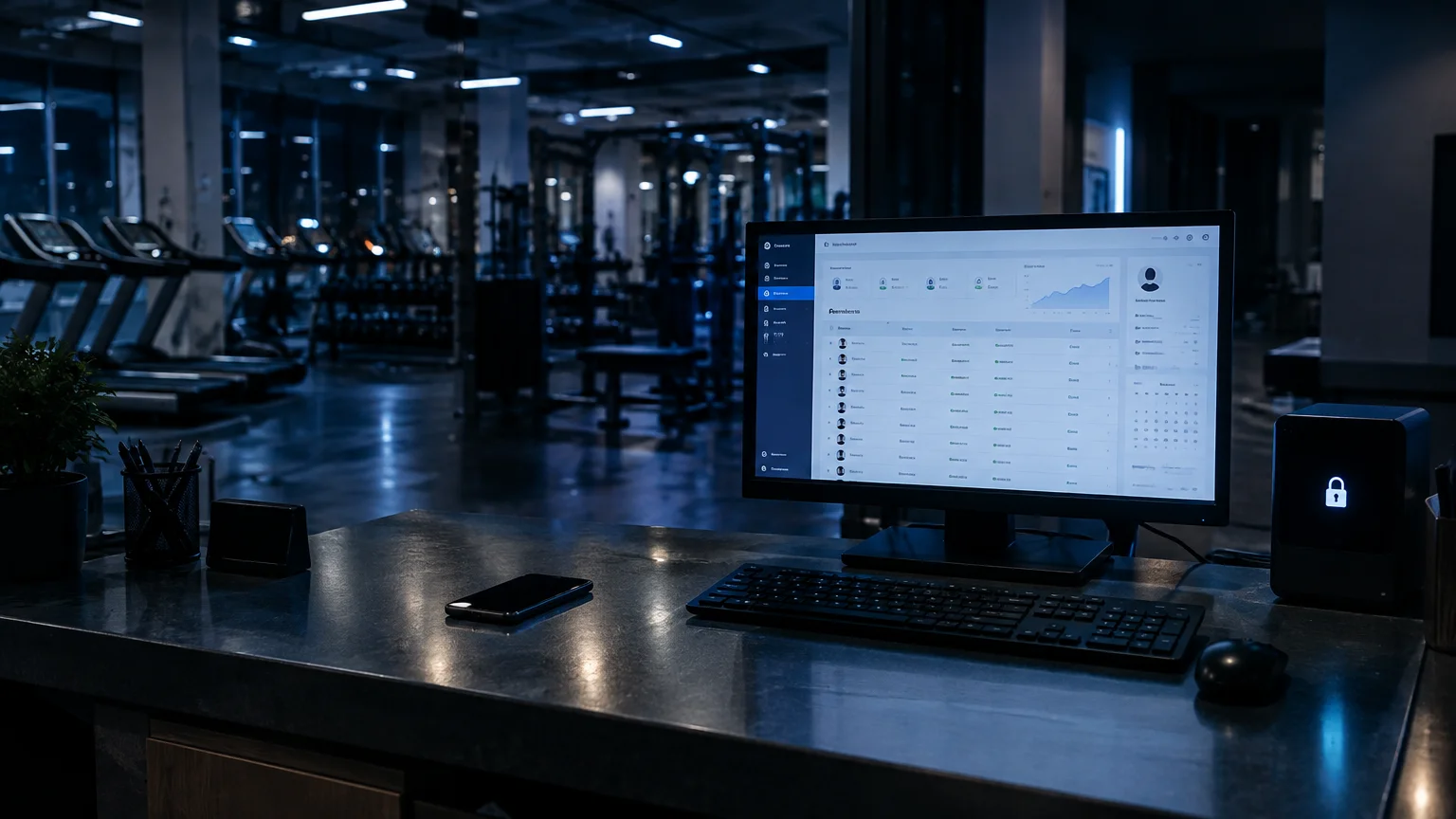
A possible pitfall could be not deleting records or trainers logging information on their phone if it’s stolen or lost.
How a broker can help you with your business insurance
Working with an insurance broker who knows and understands the fitness industry can be invaluable in assessing your specific risk and determining which policies are necessary for your gym or training business.
A good broker will arrange insurance cover that will ensure you get the right cover for your needs. Your insurance solutions should also have the flexibility to accommodate additional coverage, making it easier to upgrade your protection as needed.