Special Populations
Strength Training Gets Women Through the Door. Skill Keeps Them There
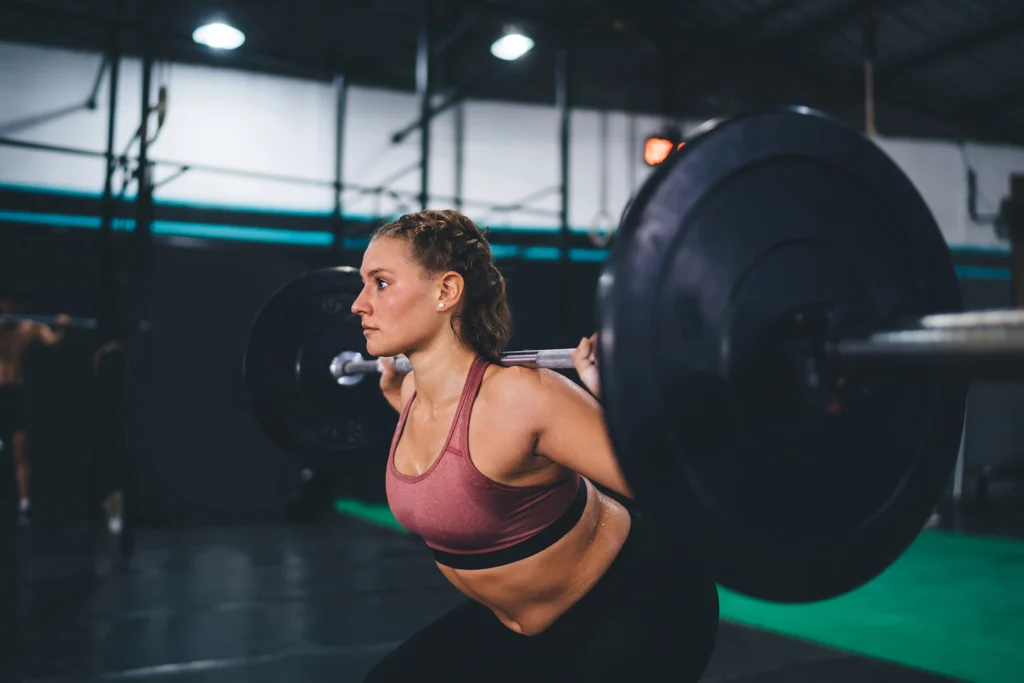
The necessity of strength training for women hasn’t come out of nowhere. Social media, podcasts, and a surge in perimenopause content have helped raise awareness. But what trainers are seeing on the ground suggests something more important has happened.
Awareness has turned into demand. And that demand is becoming more specific.
What trainers are hearing on the gym floor
One clear example comes from Sydney gym owner Kate who, upon reviewing more than 50 discovery calls with women during late 2023 and early 2026, identified a consistent pattern: around 70% of women cited strength training – or a desire to “get stronger” – as a key goal. Nearly half placed it above fat loss or weight-based outcomes altogether.
Just as telling as the numbers, was the language being used. Women weren’t talking about “shrinking” or “toning”. They were talking about capability. They wanted to feel strong again. Strong enough to age well. Strong enough to lift kids, get off the floor, manage daily life, and trust their bodies.
Strength wasn’t framed as a look. It was framed as function, confidence, and longevity.
For trainers, this changes the starting point of the consult. Strength is no longer something to sell – it’s something to interpret.
When a woman says she wants to “get stronger,” the real work is unpacking what strong means in her body now, rather than defaulting straight to load, volume, or intensity. Practically, this means spending less time justifying strength training and more time asking better questions – about fatigue, recovery, injury history, confidence, and how her body feels between sessions, not just during them.
Healthcare is now reinforcing the message
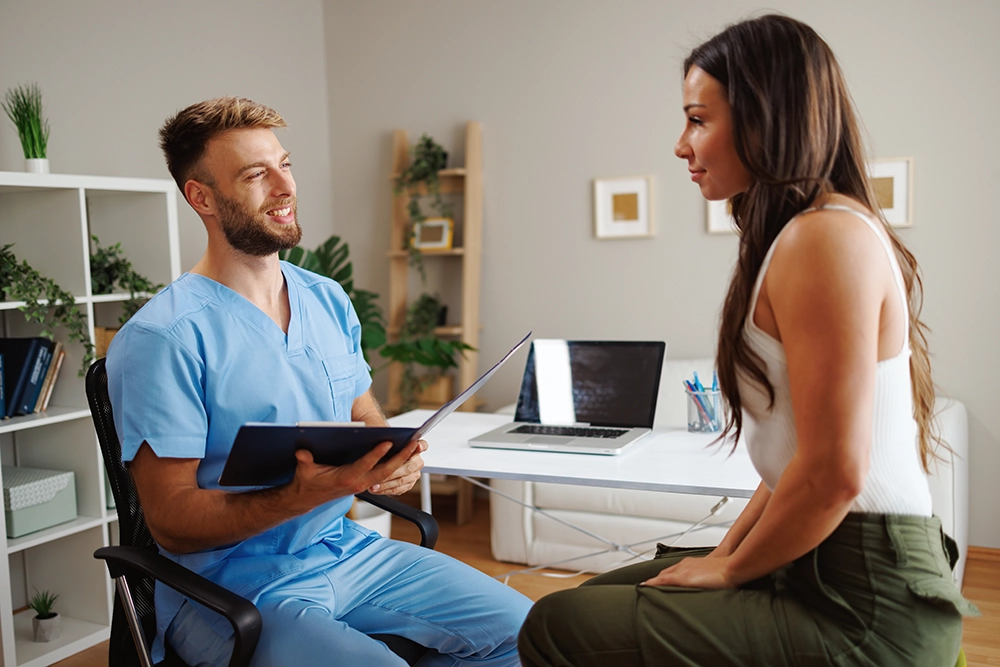
Another noticeable shift is how many women are arriving with external validation.
Around 30% referenced being encouraged or referred to strength training by a healthcare professional, including GPs, women’s health physiotherapists, endocrinologists, menopause specialists, and dietitians. These recommendations were commonly linked to pelvic floor rehabilitation, menopause symptom management, injury recovery, or bone density.
Importantly, those referrals increased sharply from 2025 onwards.
Doctors aren’t just hinting at strength training anymore. They’re recommending it. But they’re rarely providing guidance on what that should look like in a body navigating hormonal change, stress, poor sleep, or a long injury history. That gap is landing squarely in fitness spaces. And this is where fitness professionals either build trust – or lose it.
Being ‘cleared to train’ doesn’t mean ‘train like nothing’s changed’. The skill lies in translating that clearance into appropriate loading, exercise selection, and recovery strategies that respect pelvic health, nervous system load, and recovery capacity. Trainers don’t need to replace healthcare providers – but they do need the competence to work within the context that those providers are flagging.
Perimenopause changed the conversation
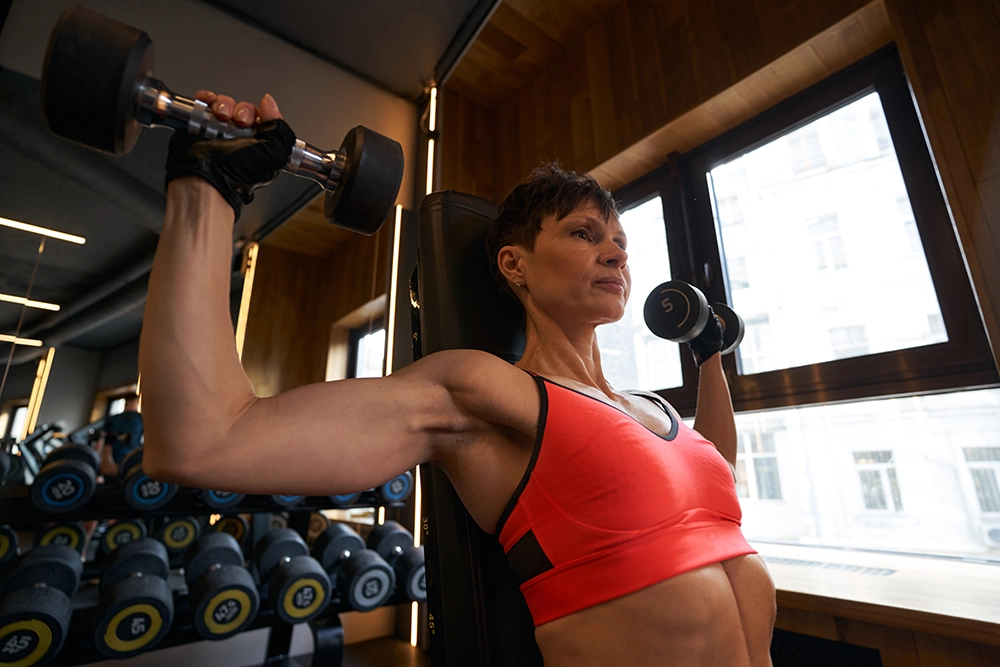
Since mid-2024, more women in their 40s and 50s have been initiating conversations around fatigue, muscle loss, belly fat, disrupted sleep, and declining confidence. Many already understand that strength training is part of the solution. What they’re unsure about is how to do it safely – and what “lifting heavy” actually means now.
They know their body feels different.
They’re cautious of generic advice. And they’re actively seeking coaches who can work with symptoms, recovery capacity, and context, rather than recycling what worked for younger body.
This has shifted the coaching conversation from motivation to application. Women aren’t asking to be pushed harder. They’re asking to be coached more thoughtfully.
Strength opens the door – but it can’t be the whole conversation
- Can you talk to them about recovery – not just rest days, but actual physiological recovery?
- Can you recognise when their nervous system needs down-regulation rather than more intensity?
- Can you explain why cardio feels different now, or why doing ‘more’ keeps leaving them exhausted?
- Can you help them accumulate movement without tipping them into overload?
In practice, this means broadening what ‘good coaching’ looks like.
It’s being able to adjust intensity when sleep has collapsed, scale strength work without removing it, recognise when regulation matters more than progression, and understand that capacity fluctuates. This is applied skill – not enthusiasm, and not effort.
Women don’t stay because sessions are hard. They stay because the training matches the body they’re living in.
The uncomfortable truth for the fitness industry
This rise in demand is good news. It signals agency and education. But it also raises the bar.
Being cleared to train isn’t the same as being coached well. Blanket advice to “lift heavier” doesn’t account for pelvic floor dysfunction, injury history, sleep disruption, or hormonal volatility.
Women don’t need motivation. They need competence.
As women become more informed, their tolerance for generic programming is shrinking. They’re choosing coaches who can integrate strength with recovery, regulation, cardio, and long-term sustainability – not just effort.
Why this matters
Strength training hasn’t suddenly become important. It always was. What’s changed is that women now know it, are asking for it, and expect the professional in front of them to understand the factors surrounding it.
Strength might be what gets women through your door. But skill – real, applied skill – is what will keep them with you for the long term.

Mish Wright
Mish Wright is an award-winning women’s health educator, writer, and speaker specialising in menopause and midlife training. Known for her evidence-based, no-nonsense approach to strength, recovery, and sustainable training, Mish regularly contributes to industry publications and is also the Head of Education at Women’s Fitness Education, an RTO addressing the gender bias in fitness education.