INDUSTRY INSIGHTS
The Rise Of Group Training: Why Community Is The New Currency In Fitness
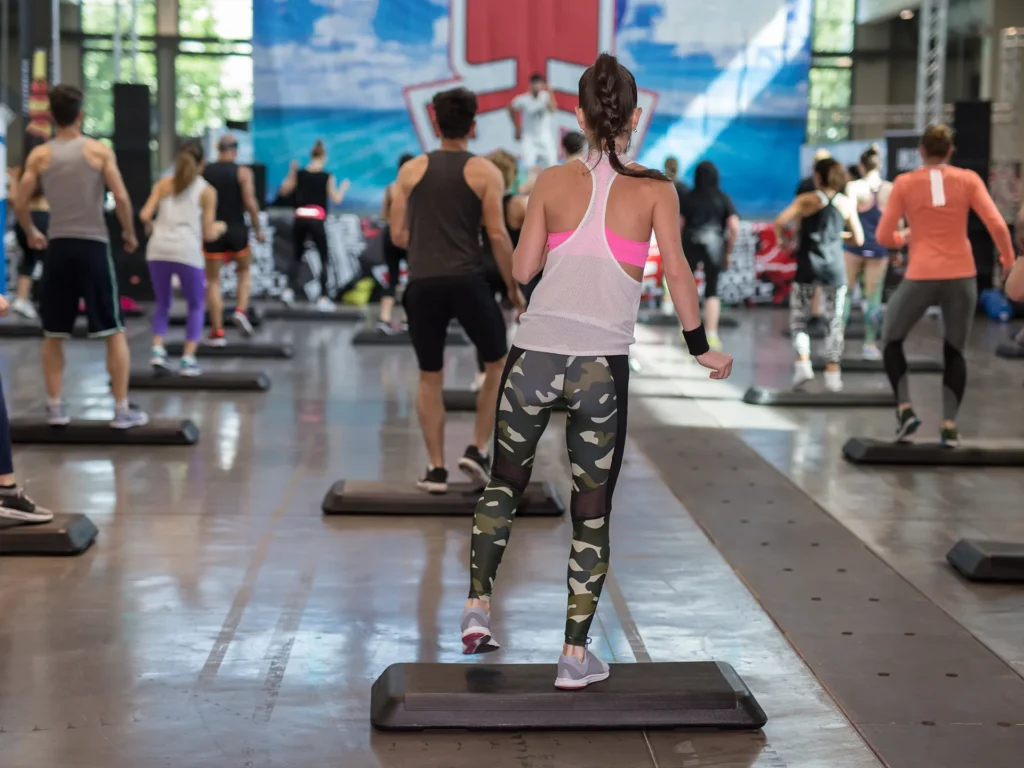
In both Canada and the APAC region, we are seeing renewed momentum in group training as people look for something that digital life cannot replace: real connection. As social platforms become the default place for interaction, many individuals are experiencing more isolation and fewer meaningful in person relationships, despite being constantly ‘connected’ online. Group training fills that gap by creating consistent touchpoints with others, a shared challenge, and a sense of belonging that keeps people showing up.
For gyms and studios, this shift is not only about fitness outcomes, but also about community building. The more operators intentionally design group experiences that foster connection and identity, the more group training becomes a solution to a broader social need, not just a workout format.
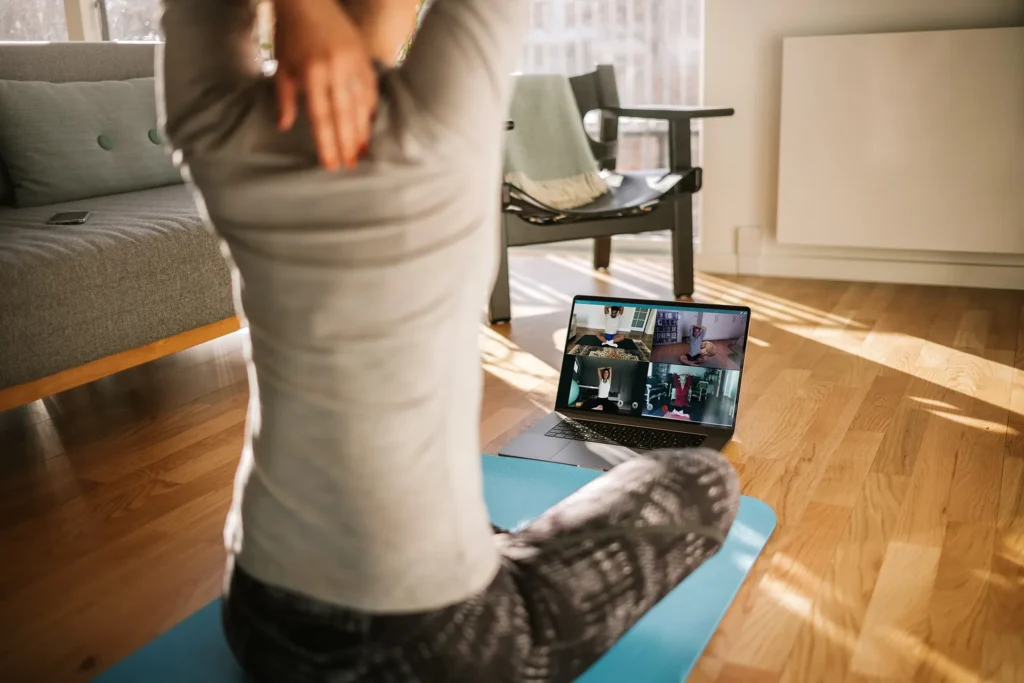
The impact of COVID
Post-COVID, fitness has shifted. It is no longer just about aesthetics, performance, or even weight loss. It is about connection. It is about belonging. It is about experience.
One of the most compelling findings during and after COVID was that the socialising people do at the gym has a greater impact on their overall health than the exercise itself. Researchers began referring to this as “social value.” In other words, the relationships, conversations, accountability, and shared struggle inside a fitness setting often contribute more to mental and emotional health than the sets and reps alone.
In a world facing a mental health crisis, rising cost of living, and increasing social isolation, group fitness is not just growing. It is becoming essential.
Post-COVID Sociology: Why Group Matters More Than Ever
During COVID, people lost structure, lost community, and lost physical gathering spaces. Even as restrictions lifted, the psychological effects remained. Anxiety, loneliness, and depression rose dramatically.
Humans are wired for tribe. When that tribe disappears, so does resilience.
The gym used to be a third space: not home, not work, but community. What we are seeing now is a return to that need. People are no longer seeking just workouts. They are seeking:
They are seeking:
- belonging
- shared effort
- accountability
- experience
- meaning
This is also why we are seeing growth in:
- men's group fitness
- women-only group environments
- community-driven training spaces.
These environments feel psychologically safer. They create identity. They allow people to be seen. The best part about fitness is not that we get stronger alone. It is that we get stronger together.
The Economic Factor: Accessibility and Affordability
Let’s be honest. Groceries are expensive. Rent is high. Life costs more.
Group training lowers the barrier to entry. It allows:
- lower per-session cost for participants
- higher revenue efficiency for coaches
- greater accessibility for new clients.
Instead of $90 to $120 per private session, someone can join a high-quality group session at a fraction of the cost. This is one of the major reasons we are seeing a rise in group training certifications across APAC and North America, and especially in Canada. Coaches are recognising that scalable models are both sustainable and socially impactful.
Experience > Exercise
Ask someone who trains alone, “What was your most memorable workout last year?”
Most cannot recall one.
Ask someone in a group environment, and you’ll hear stories such as:
- “The team challenge”
- “The outdoor bootcamp in the rain”
- “The partner workout”
- “The surprise finisher”.
Group workouts become experiences. Experiences create memories. Memories create attachment. And attachment produces retention.
Right now, people don’t want to just buy fitness. They want to buy experiences.
How Coaches Can Build Scalable Group Offerings Without Sacrificing Quality
The fear with group training is dilution – more people, less personalisation. But that only happens when the structure is poor.
Here is how to protect quality:
Structure the Class Intentionally
A strong group session should include:
10 to 15-minute dynamic warm-up
- Elevate core temperature.
- Mobilise key joints.
- Activate major muscle groups.
Main Strength Circuit (Push-Pull-Legs-Core format)
- Keep movement balanced.
- Avoid overloading legs excessively.
- Use time-based intervals to manage flow.
Aerobic Push
- Short finisher.
- Team-based or relay style for engagement.
Core + Stretch + Social Buffer
- Leave 5 minutes at the end.
- Encourage connection.
- This is where social value compounds.
Always Provide Regression and Progression Options
Every station or exercise must include:
- A regression.
- A standard option.
- A progression.
For example:
Push-up station:
- Regression: incline push-up
- Standard: floor push-up
- Progression: tempo or weighted push-up.
This ensures inclusivity without sacrificing challenge.
Use Team-Based Dynamics
Incorporate:
- partner workouts
- team scoring
- cooperative circuits
- group challenges
These amplify belonging and memory creation.
Make It Portable
Group training can happen:
- indoors
- outdoors
- in a park
- in a parking lot
- with minimal equipment
This flexibility increases reach and lowers startup costs for coaches.
Community Classes: The Most Underrated Strategy
Every gym and every trainer should run at least one:
- Free class
- or ‘by-donation’ community class.
Why?
- It lowers intimidation.
- Makes inviting friends easy.
- Builds goodwill.
- Aligns with values.
- Creates long-term trust.
When you give, you receive.
These classes often become the top-of-funnel for your ecosystem without feeling sales-driven.
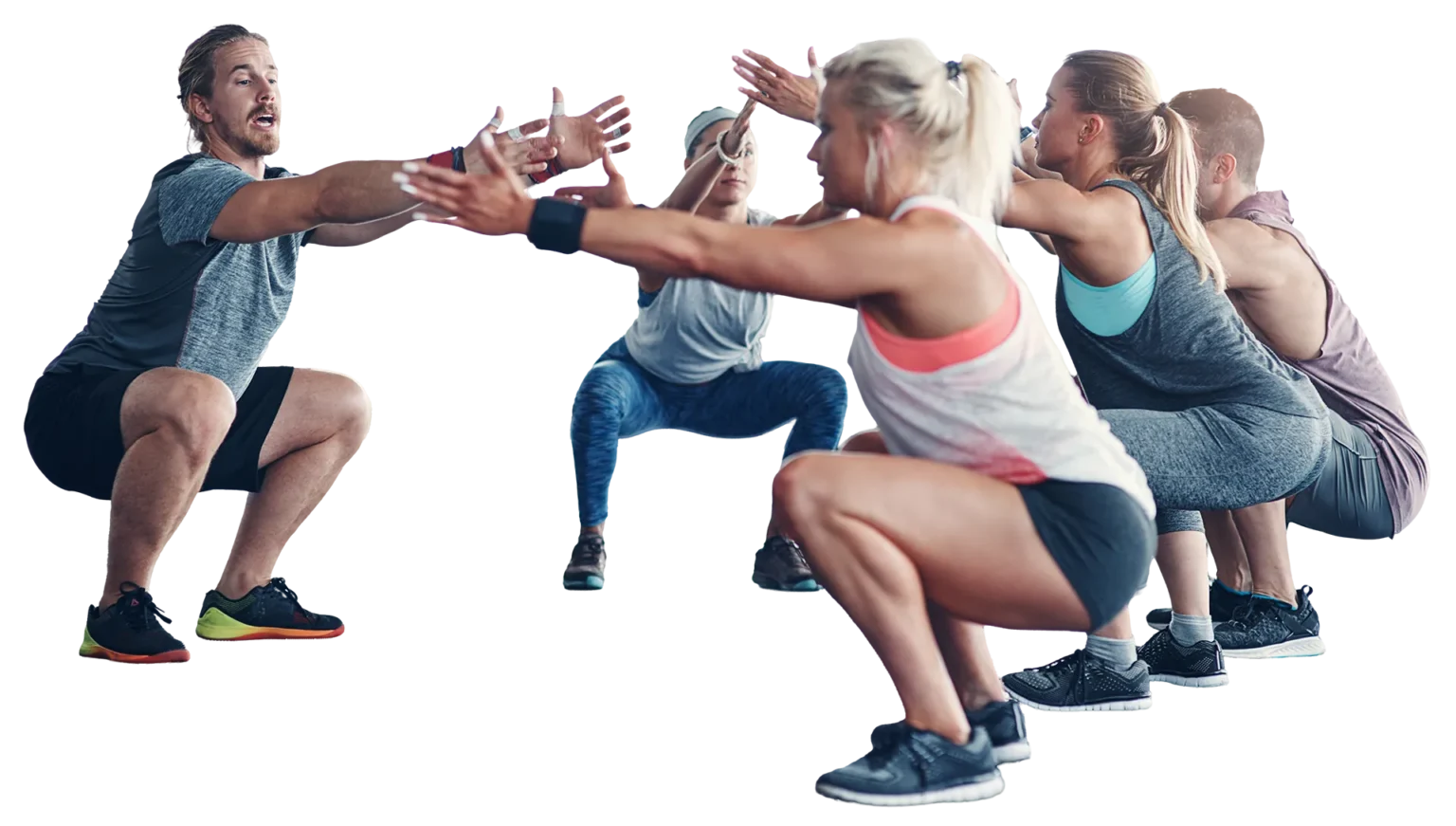
Why Group Training Certifications Are Rising
Across APAC and Canada, demand for group training education is increasing because:
- coaches want scalable income
- clients want affordable community
- gyms want retention
- the market wants experience.
Group training is no longer a ‘side offering’. It is becoming a core strategy.

Jesse Benson
Jesse Benson is a fitness entrepreneur, innovator, and educator with more than 20 years of experience and over 50,000 personal training sessions completed. He is the founder of multiple gyms and the National Personal Training Academy, certifying trainers across Canada and the Philippines, with Australia and other emerging markets next. Jesse’s mission is to impact one million lives by certifying and employing 2,000 trainers within his ecosystem.