The discussion group I was recently part of, included business owners, founders, CEOs, PhDs, authors, speakers, educators, coaches, and industry leaders with decades of experience across strength and conditioning, higher education, fitness business, wellness, rehabilitation, and human performance.
This extensive range of experience opened the door to a broader conversation about where the industry is headed, what professionals need to succeed, and how education must continue evolving with it. Throughout the discussion, several themes kept resurfacing: credibility, professional standards, healthcare integration, human connection, artificial intelligence, and the need to prepare professionals for a broader population.
The industry needs greater professional clarity
One of the biggest questions was: ‘What does it mean to be a qualified exercise science professional today?’
The industry has no shortage of certifications, credentials, courses, and specialties. But more options have not necessarily created more clarity.
During our discussion, some of the biggest challenges identified were inconsistent professional standards, fragmented credentials and certifications, and an unclear scope of practice. This matters because credibility affects more than the individual professional. It influences whether healthcare providers, employers, clients, and other industries view exercise professionals as trusted partners.
Professionals should be clearer about:
- who they are qualified to serve
- what problems they are trained to address
- where their scope of practice begins and ends
- when a client should be referred to another professional.
Instead of asking, “What certification should I get next?” a better question may be:
Healthcare integration is a major opportunity
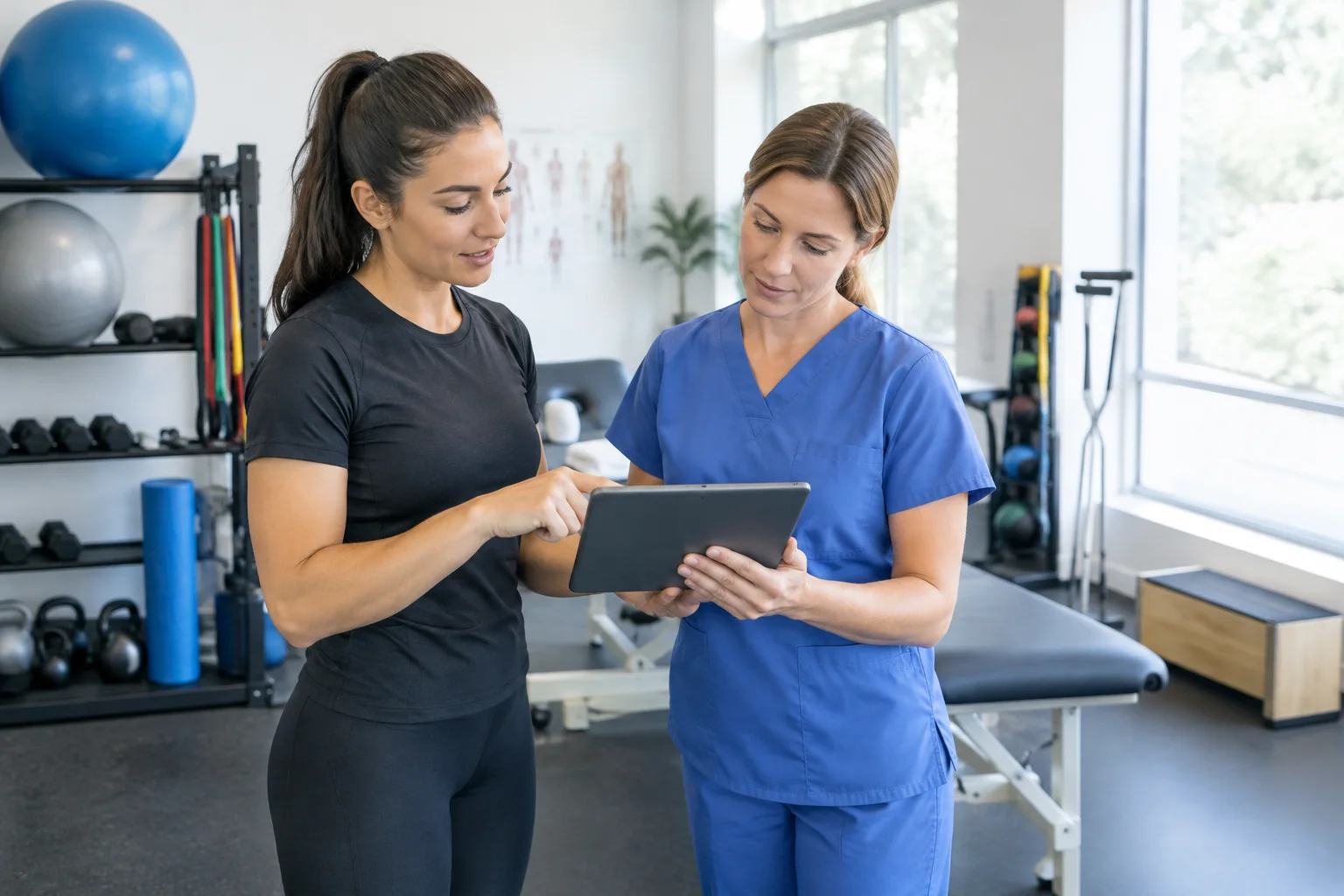
Healthcare integration, chronic disease, healthy ageing, and special populations were among the strongest opportunities identified in the conversation. This does not mean trainers or coaches should try to become medical professionals; it means they should become better at working alongside them.
One committee member with extensive medical wellness experience emphasised the importance of understanding professional boundaries, creating appropriate handoffs, and developing trusted relationships with clinicians.
Build relationships with physical therapists, physicians, registered dietitians, behavioural health professionals, and other specialists in your community. Ask clients better questions, such as:
- What has your healthcare provider recommended?
- Are there limitations I should know about?
- What health outcomes are you working toward?
Human skills may become more valuable in an AI world
Artificial intelligence was another major part of the conversation. AI can make information easier to access and create efficiencies in research, communication, and education. But it also increases the volume of content people have to sort through.
During the discussion about what makes a great exercise science professional, the answers went beyond technical knowledge to include: Listening. Empathy. Communication. Curiosity. Competence.
The conversation ultimately came down to what was described as the “heart and smart” of the profession.
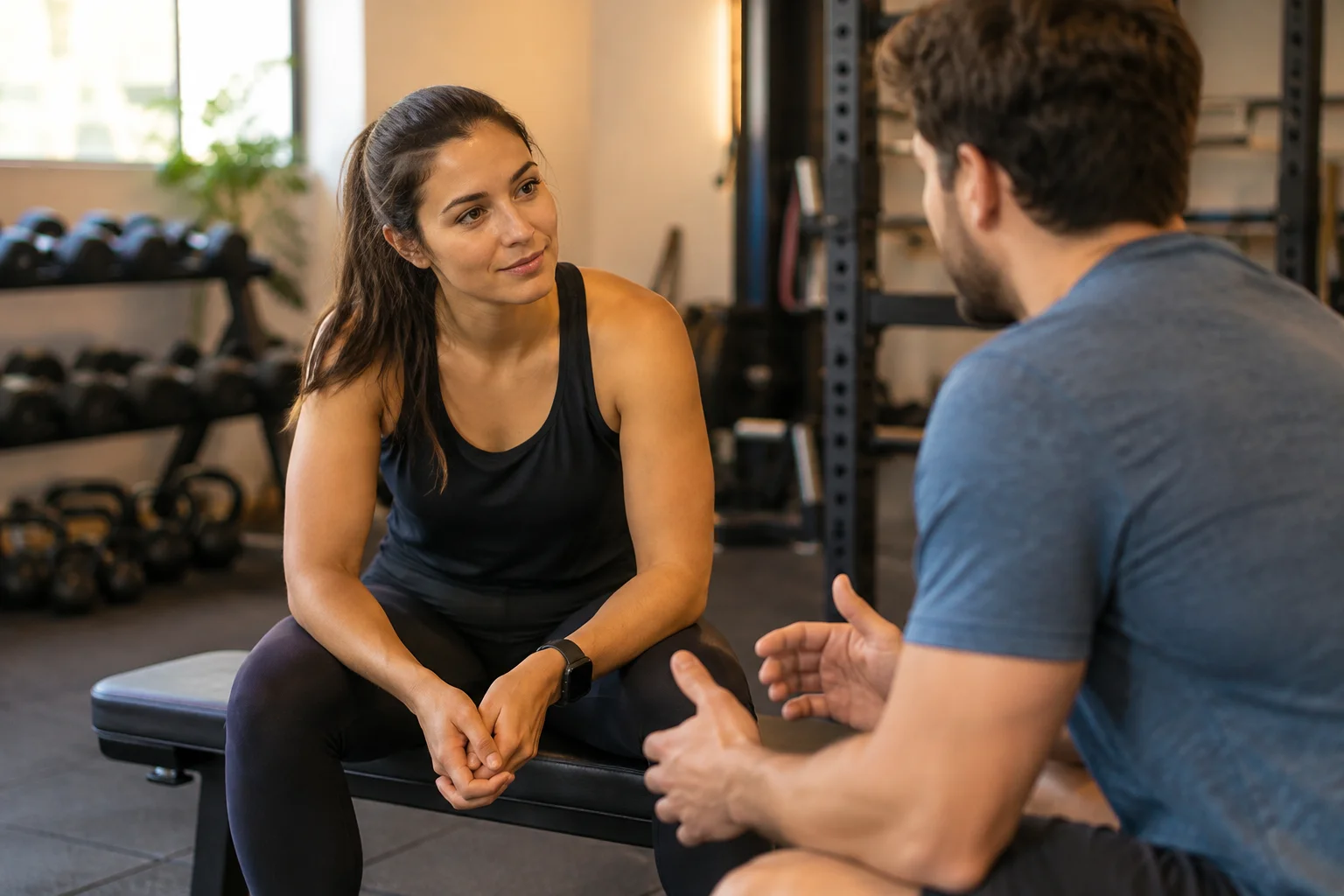
Treat communication and relationship-building as professional skills.
Before your next client session, do not only prepare what you are going to tell them but also prepare what you are going to ask them. Such as:
- Why are they struggling?
- What is getting in their way?
- What would success actually look like to them?
Education has to prepare professionals for what comes next
The committee also discussed the need for education to evolve with the profession.
Exercise science professionals are increasingly encountering conversations around chronic disease, behaviour change, healthy ageing, wellness, recovery, and evidence-based practice. The discussion emphasised research literacy, health coaching, advanced health and fitness knowledge, leadership, and specialised career pathways.
Professionals should periodically audit their own education. Ask yourself:
- Who am I serving now?
- Who do I want to serve in five years?
- What health or performance challenges are becoming more common?
- What skills do I need to develop next?
This will create a much more intentional approach to your continuing education.
We need to serve a broader population
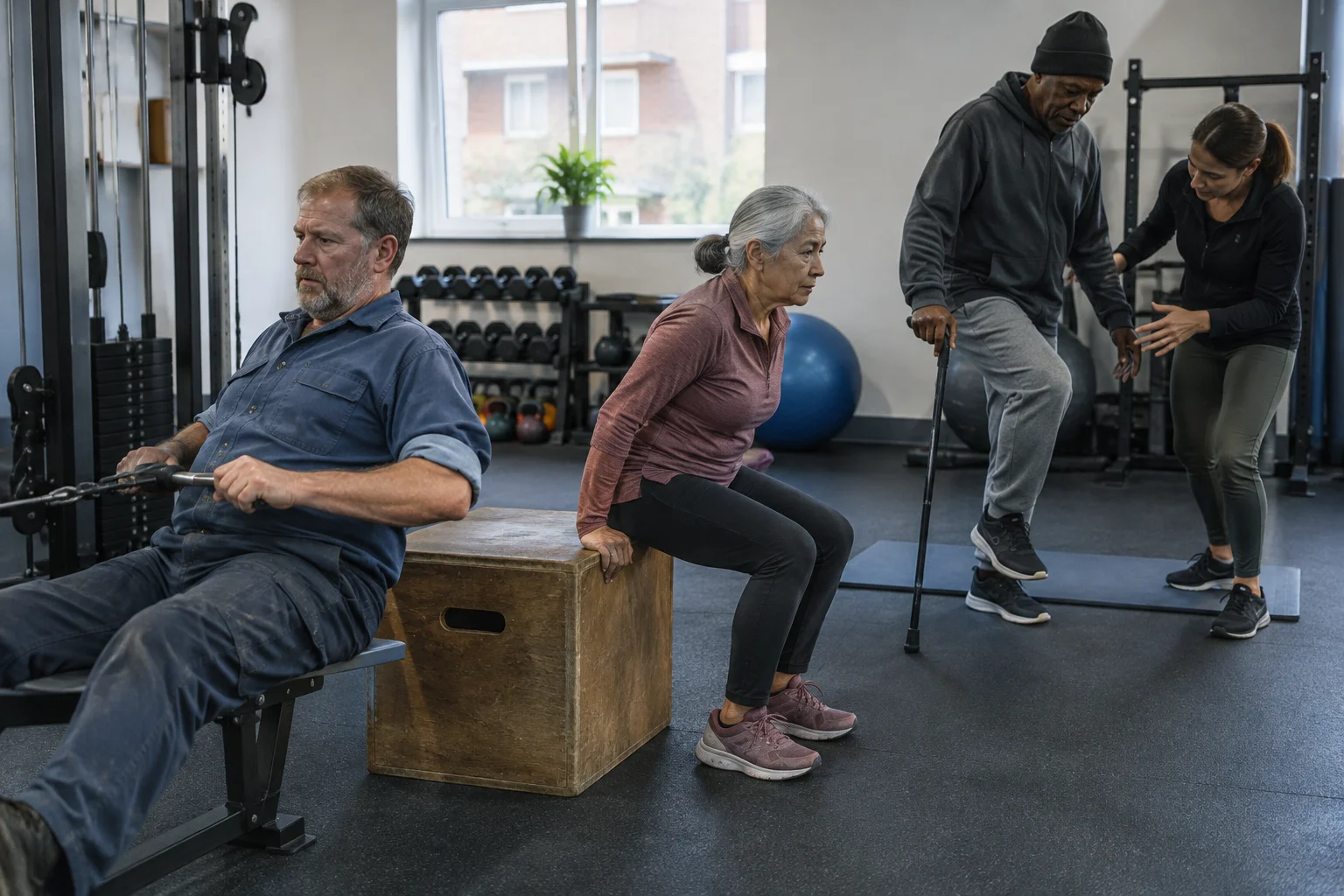
One of the most important points raised was that the traditional image of fitness may no longer represent the people the industry needs to serve. If exercise professionals are going to play a larger role in healthy ageing, chronic disease, and special populations, the industry must think beyond young, highly athletic consumers.
The conversation challenged us to consider older adults, people staying in the workforce longer, individuals managing health conditions, and people who may not see themselves represented in traditional fitness marketing. Ask yourself: Who sees themselves in my business, content, or organisation – and who does not?
The opportunity ahead
Exercise science is increasingly overlapping with healthcare, wellness, corporate health, rehabilitation, technology, and human performance. This creates tremendous opportunity, but it also raises the standard. The professionals who stand out will likely be those who combine technical knowledge with communication, professional boundaries, collaboration, continued education, and genuine human connection.