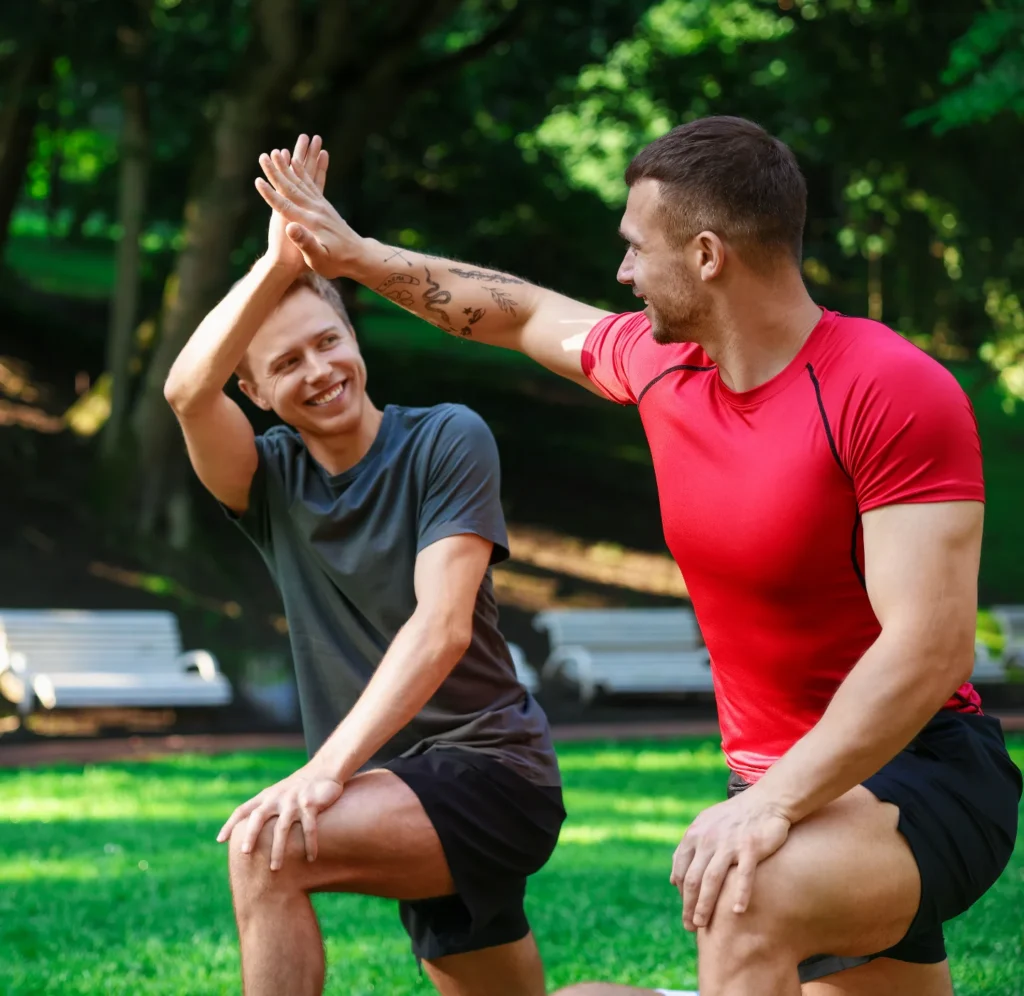
Sometimes the answer to a decline in group fitness participation has less to do with the programs and more to do with the experience that participants are receiving. A big part of that is the people delivering them.
Notice who’s slipping away
People rarely tell you why they’ve stopped attending. They simply stop booking. Often, the clients most at-risk of slipping away are those who are unsure of themselves: still finding their feet, self-conscious about getting it wrong, watching everyone else in the mirror. They need the most guidance, but they’re the least likely to ask for it.
However, it isn’t only new people. Regulars who’ve been coming for a long time can lose confidence too, sometimes because of things going on in their life, and it shows up in small ways, such as a change in behaviour, a shift in energy.
The success of a class isn’t just about the steps, the exercise combos or the creativity. It’s about the experience, and that means noticing those small shifts and acting on them in a genuine, authentic way. That might be making conversation, asking open questions, complimenting their improvements, or simply acknowledging that they keep showing up.
- Making conversation
- Asking open questions
- Complimenting their improvements
- Acknowledging that they keep showing up
It’s not just what you teach, it’s how you show up
Arrival time is one of your best opportunities to connect with participants. For a new client, that might mean a genuine welcome, checking for injuries and introducing them to someone in the room. For a regular, it might mean remembering they’ve just come back from a holiday. These moments say: “I’ve noticed you” and “I’m glad you’re here”.
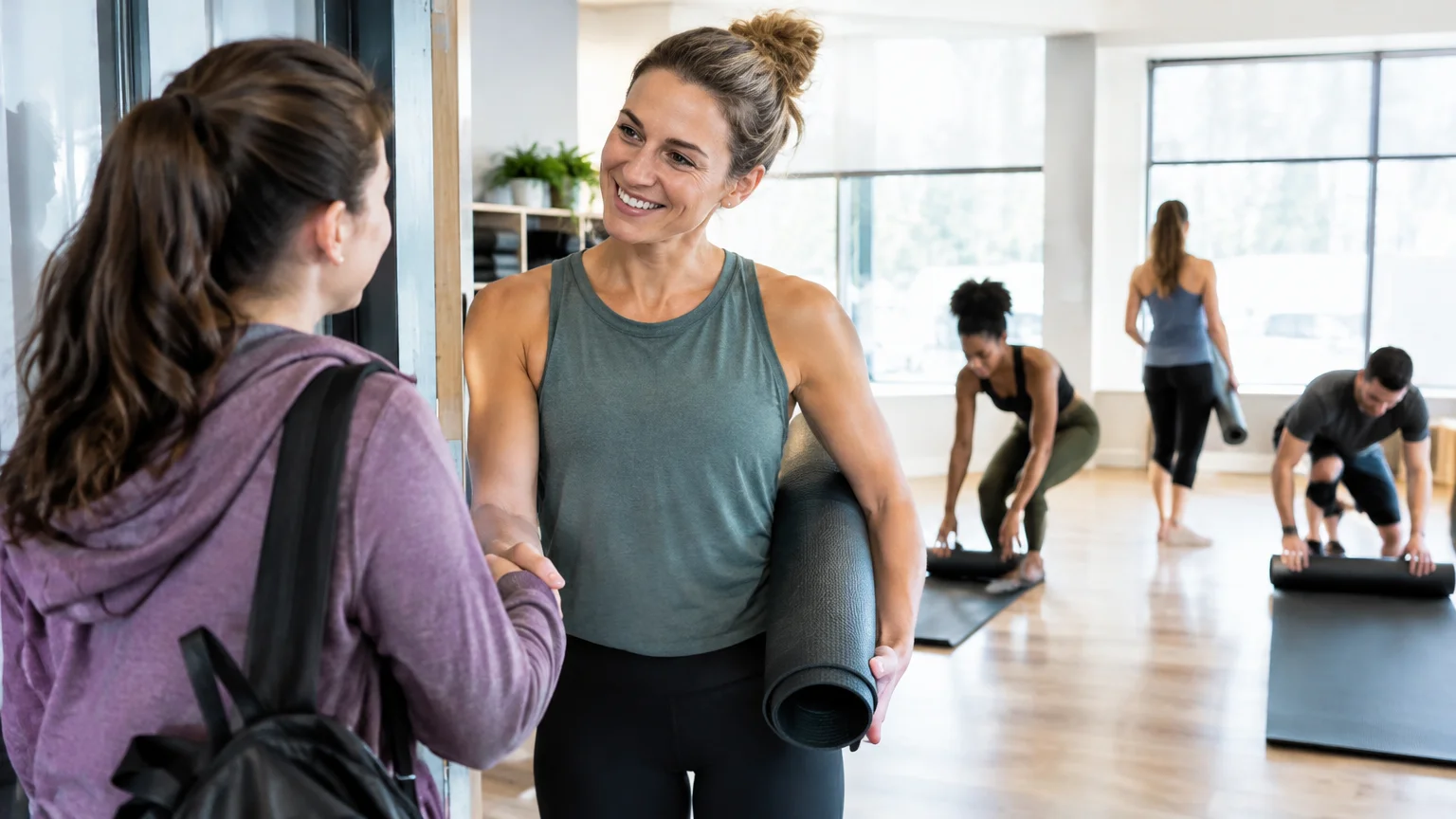
An instructor on their phone, or distracted talking to other staff, shows the opposite, so being ready before people walk in is half the welcome.
Community doesn’t happen on its own, or only at studio events. People move from one bubble to another (home, car, work, studio) and can share a room with 15 others without speaking to anyone new. So, just before class, I ask everyone to introduce themselves to three people. A wave, a name or a handshake all work. It takes 15 to 20 seconds, creates a connection between participants and breaks the ice immediately.
Your energy sets the tone for the room too. Make direct eye contact, so each person feels seen rather than taught at. Use your voice with intent: be warm, clear and varied, and softer when someone needs reassurance. And bring genuine happiness to your delivery. Done well, it feels like care. Done on autopilot, it feels manufactured.
Proper preparation prevents poor performance
Being attentive and nice still needs a well-run class behind it. An instructor can know everyone’s name and still leave people confused, overwhelmed, or feeling as though they watched someone else exercise.
There’s a difference between doing the workout and teaching it. Members should leave feeling well guided and appropriately challenged, with clear cues, a good flow, and options so everyone can work towards their own personal best. That takes preparation: sort your choreography, transitions and structure before you walk in, so you’re never stopping mid-class to work out what comes next.
- Choreography
- Transitions
- Structure
- Clear cues
- A good flow
- Options for everyone
Correction is part of the value
Spotting what needs correcting is only half the job. How you deliver the message is what counts. Give them a clear adjustment they can act on in a positive manner, then acknowledge the improvement. A few swaps to try:

These are examples, not universal instructions; the right cue depends on the exercise and the person in front of you.
Before you change the program, look at the experience
Look at the experience your participants are receiving, starting with the instructor:
- Are they prepared before clients arrive?
- Are they engaging with members, new and regular?
- Are they correcting technique specifically and kindly?
- Do members leave feeling well guided and appropriately challenged?
If you’re a studio owner, ask your members what they value and what’s missing. People who’ve quietly stopped coming are worth asking too.