Training
New Horizons In Speed Training

Running is an integral part of many sports. Running fast is integral in succeeding at many sports, and none more so than track and field. Not many are faster than Noah Lyles, so when recently I had the opportunity to work with Dr Jo Brown (the SprintDr) – the Performance Physio who worked with Lyles in the four years leading up to his Paris 100m Olympic Gold – I jumped at the chance to learn more about how to run fast.
I discovered the two elements that are super important when training to run faster – which are often not given enough consideration or training – are the nervous system and foot strength.
Training speed is as much about training the nervous system as it is about training strength and power. Running fast requires holding good ‘shape’ or form under stress, so a healthy nervous system that functions under stress is critical. To train speed, you have to train fast (at times) and do it while keeping critical posture elements intact – and that is a skill, as much as a strength process.
Specific training of the nervous system is often neglected in traditional programs, but can include simple things like being pedantic about posture and form; and not reinforcing bad habits or poor skills by training when you can’t hold ideal form. Also, by learning how to train with the appropriate ‘arousal’ level (relaxed speed rather than forced speed), you will run faster.

Having a ‘balanced’ nervous system is important to optimise the effects of training. Heart Rate Variability (HRV) is an objective measure of sympathetic/parasympathetic (fight or flight/rest and digest) balance. Using techniques such as breathwork, saunas and ice-baths and meditation to improve your HRV numbers (balance your nervous system) is worth considering as part of any speed training process.
Another important, and often neglected part of speed training is foot strength. When running fast, the foot contact with the ground dictates if energy ‘leaks’ or drives you forward. Detailed biomechanical analysis of the fastest athletes in the world has shown that good foot and ankle stiffness is a common trait in these athletes. Like any body part or system, foot strength is trainable.
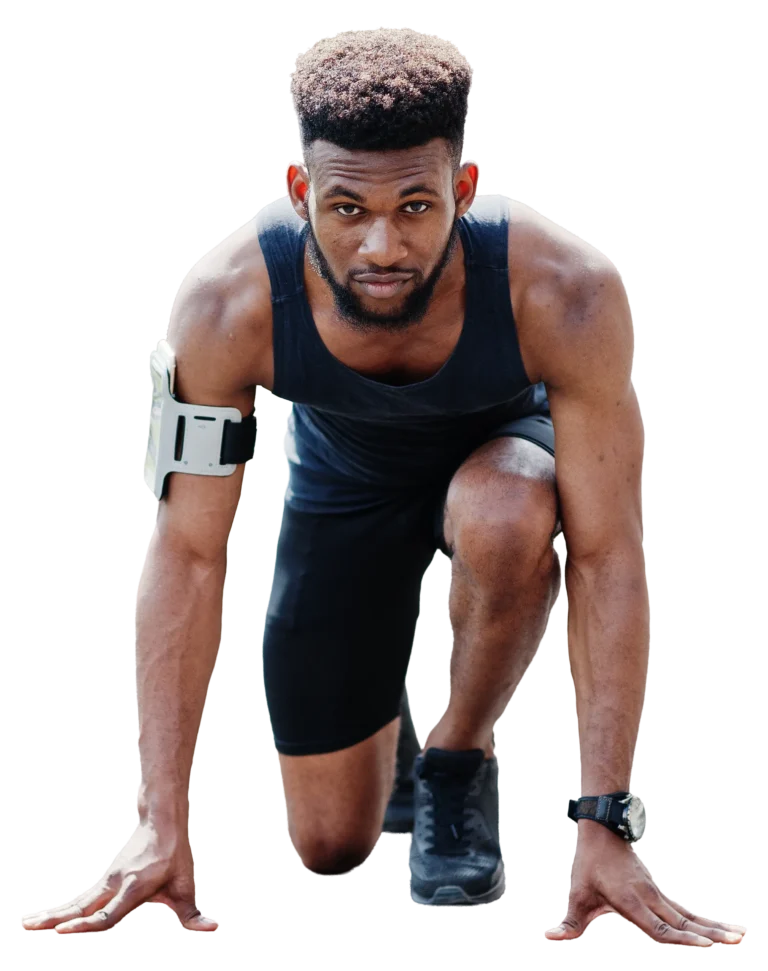
For running athletes, it’s not just toe scrunches and small foot muscle exercises. Exercises such as loaded foot arch strengthening and holding ‘ideal’ foot positions during any lower limb weight bearing exercises in the gym can help improve foot strength. ‘The Foot Collective’ is an on-line resource created by physios and dancers that has plenty of foot strengthening protocols. Jo has an incredible range of foot strengthening exercises she gives her athletes – and the outcome is not only better speed but less injury.
So, if you are training athletes to run fast, training the nervous system and adding high-level foot strengthening exercises should become part of your regimen. Adding these elements to an athlete’s training process will take them to new horizons of speed.

Victor Popov
Victor Popov is one of Australia’s most respected and experienced sports physiotherapists with over 30 years of knowledge in the area of Sports Physio. After beginning his career in Sydney in 1985 at St George Sports Medicine Centre, Victor spent the next 25 years working at multi-disciplinary sports medical clinics in Brisbane (St Lucia Sports and Rehab, Agilitas Physiotherapy, Chandler Sports and Rehab) and established QSMC at the Gabba in 2000, where he still consults on a part-time basis. Jo and Victor have been presenting seminars on these topics in Australia, which you can find more info about on the NettGlobal or SprintDr websites.

Dr Jo Brown (the SprintDr)
New Zealand-born physio whose career highlights and CV include working with amazing athletes and teams as a Performance specialist. In addition to Lyles, Jo’s clients include super-fast athletes from the NBA and NFL, as well as professional soccer players. Jo’s understanding of the mechanics of speed is second to none.