Career Longevity
The Rise of the Second-Career Fitness Professional

For decades, the fitness industry has largely marketed itself around youth, aesthetics, and athletic performance. The image of the ‘ideal trainer’ was often someone in their early 20s with visible abs, high energy, and a passion for exercise.
But something significant is changing.
Across North America and internationally, one of the fastest-growing demographics entering the health and fitness industry is not young athletes. It is adults in their 40s, 50s and 60s, who are transitioning into fitness as a second career. Many are:
- parents whose children are now grown
- retirees looking for meaningful work
- cancer survivors
- individuals who transformed their own health
- professionals leaving corporate careers
- adults seeking purpose-driven work
- people wanting to help others avoid the struggles they personally experienced
- individuals who have undergone major weight loss transformations and are now seeking fitness education as a tool for continued empowerment
- people exploring meaningful employment and additional income opportunities through coaching and mentorship.
Often, these types of individuals are ideally equipped to coach the modern population – in some instances, even more than the younger trainers.
Experience is becoming more valuable than information
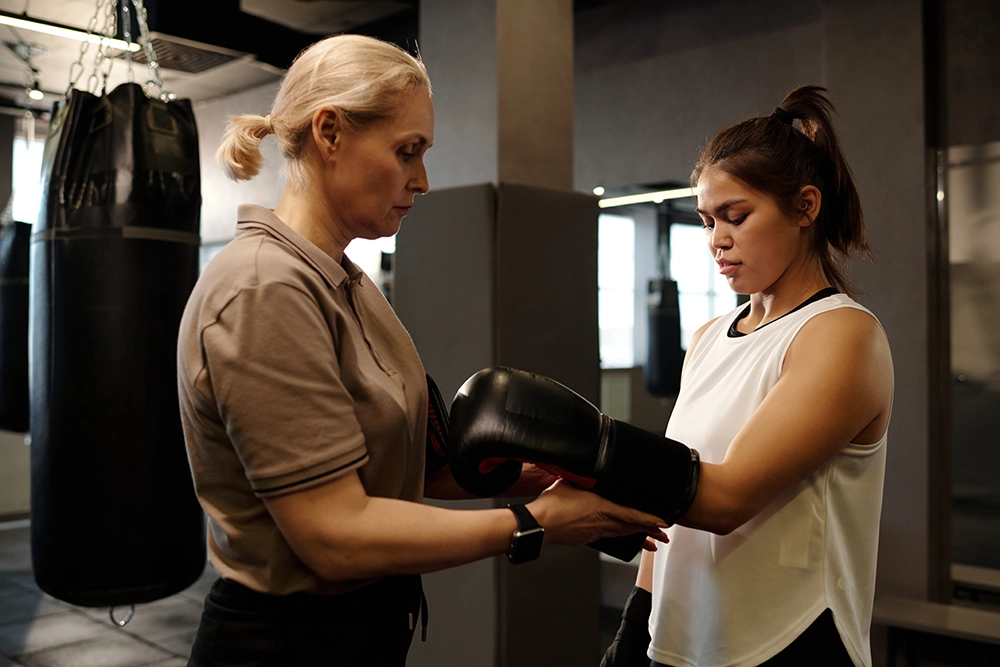
The internet has made fitness information widely accessible. Exercise science, nutrition basics, and programming templates can now be learned almost anywhere. But coaching is different. Coaching can require emotional intelligence, listening skills, life experience, communication, accountability, intuition, trust building, behavioural change support, empathy, professionalism under pressure, and understanding the emotional relationship people have with food, body image, self-worth, and transformation. These qualities are often developed through life experience.
The ageing population is also becoming the largest demographic requiring health support. According to global health projections, adults aged over 60 are one of the fastest-growing population groups worldwide, creating increasing demand for professionals who understand both physical and emotional longevity.
So, while a 22-year-old trainer may understand anatomy and biomechanics exceptionally well, they may not yet fully understand or relate to the vast range of experiences that their clients will be facing or overcoming, such as: chronic stress, parenthood, divorce, burnout, cancer recovery, grief, hormonal change, ageing, long-term habit formation, fear of starting over, the emotional side of transformation, post-partum recovery and identity shifts, the psychological effects of significant weight gain or weight loss, or the complexity of rebuilding confidence after life-changing health events.
The ideal future fitness professional, therefore, may no longer be the most athletic person in the room; it may be the person who has endured, experienced or overcome the most.
The industry must evolve beyond ‘rep counting’

One of the biggest challenges facing the modern fitness industry is that many certification systems still prioritise technical knowledge, while underdeveloping human coaching skills. The long-term result could be an industry full of instructors, yet not enough coaches.
At NPTA, we’ve seen first-hand that long-term client retention rarely comes down to exercise selection alone. Sustainable coaching involves frameworks that integrate professionalism, communication, lifestyle support, nutrition awareness, accountability, and relationship-building.
Coaching is often described as a structured system rather than a collection of exercises. Without a framework, many trainers default into ‘cheerleading’ such as counting repetitions, offering generic motivation, following rigid programs, avoiding difficult conversations, or failing to address root lifestyle issues.
Transformational coaching, however, requires something deeper. It requires the ability to guide human beings through change. And that’s why modern fitness education needs to evolve beyond anatomy memorisation alone. Ideally, it should begin emphasising human behaviour, communication, lifestyle coaching, retention systems, emotional intelligence, professional service standards, coaching psychology, real-world application, and accountability frameworks.
Frameworks matter because they create consistency, professionalism, and structure for both trainers and clients. And while not every coaching system should be publicly disclosed in full, it is becoming increasingly important to have an intentional process behind coaching delivery in order to achieve client results in the modern fitness industry.
Why older coaches may have a competitive advantage
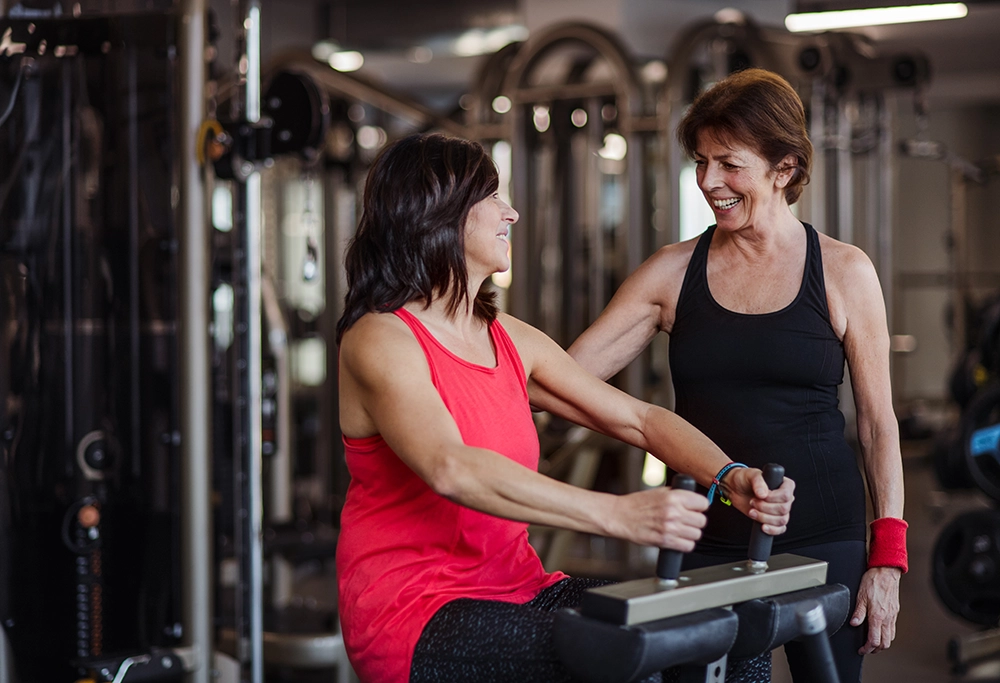
Many second-career trainers already possess skills the industry desperately needs, such as leadership, patience, resilience, reliability, communication, presence, emotional maturity, professional standards, and real-world perspective.
Many adults entering the fitness industry in later life bring valuable experience from previous careers – think leadership, human resources, administration, sales, customer service, operations, technology, education, scheduling and organisation, or team management. These transferable skills can become incredibly valuable within coaching environments, fitness facilities, and wellness businesses. This enables clients to feel safer, more understood, and less intimidated around coaches who can genuinely relate to their life stage. For special populations such as older adults, beginners, post-rehabilitation clients, weight loss journeys, women entering fitness later in life, and individuals rebuilding confidence after illness or trauma, this relatability can become the foundation of adherence. And adherence is, ultimately, what changes lives.
Practical steps for aspiring second-career trainers
For adults considering entering the fitness industry in later life, the path does not need to begin with opening a gym or quitting a career overnight. It can start small and practical. For example:

Regular assessments and feedback
Observation is one of the fastest forms of learning, so experiencing coaching first-hand can help future trainers understand elements such as session structure, client psychology, accountability, communication, energy management, and trust building.
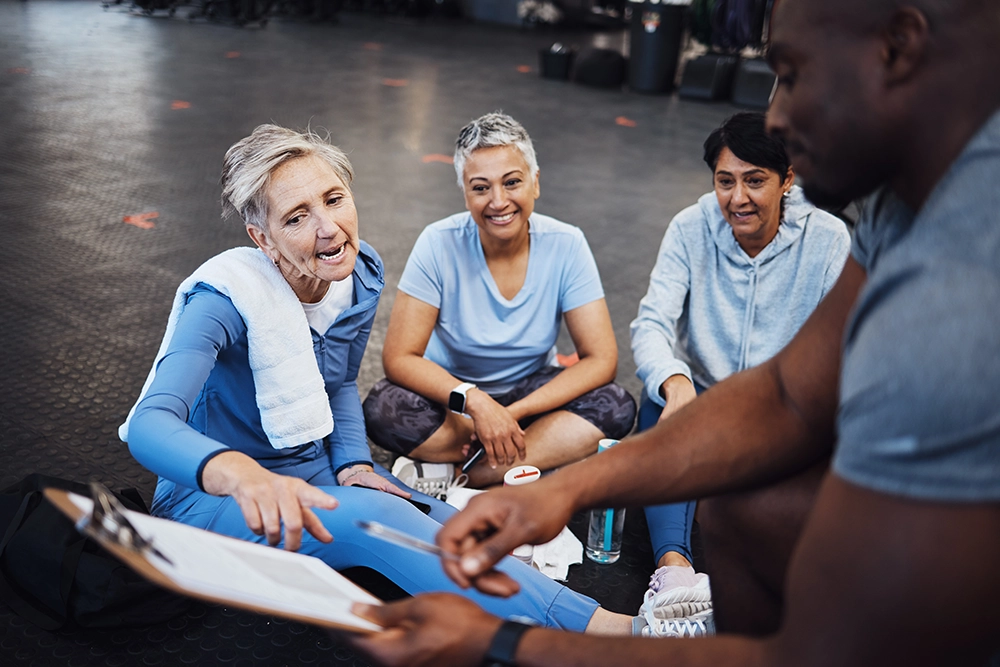
Seek mentorship, not just certification
Education matters, but mentorship accelerates wisdom. So, look for educational providers who are connected directly to the real-world industry, not just textbooks.
Programs that are partnered with internationally recognised organisations, while remaining actively involved in coaching environments, will typically provide both educational credibility and practical grassroots insight, into what clients actually need and want today.
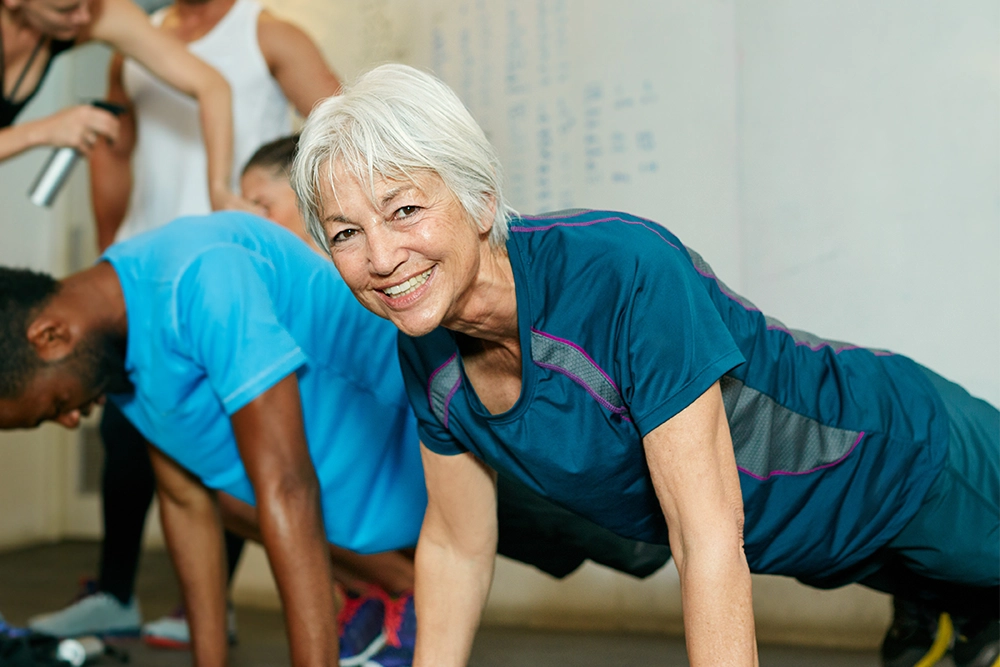
Start in community environments
Confidence is built through repetition and service, so many successful second-career trainers can get started by:
- assisting small groups
- volunteering in community wellness spaces
- coaching friends or family
- hosting walking groups
- running beginner fitness classes
- supporting church or community organisations.
Trust your instincts
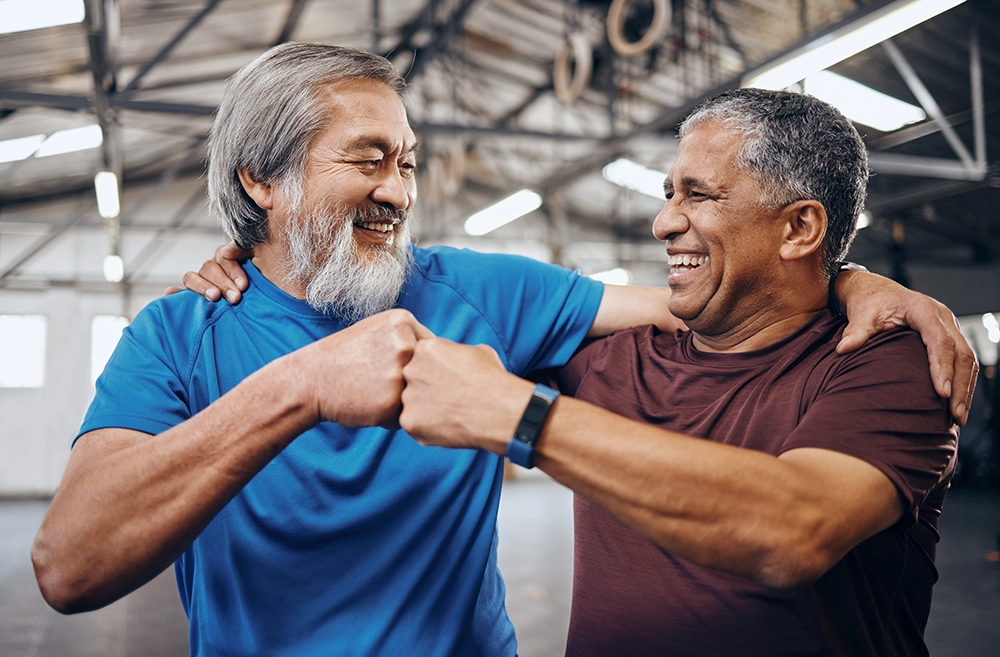
One area the modern fitness industry can sometimes underestimate is the value of old-school accountability, coaching presence, and human connection. Many experienced adults already possess natural coaching instincts (e.g., encouraging consistency, holding standards, building discipline, leading with care, creating structure, asking meaningful questions, providing accountability, and having difficult but necessary coaching conversations). These are not outdated qualities; they are increasingly rare.
The future of fitness will be more human
The fitness industry is entering a new era because as populations age and the need for lifestyle intervention grows the most valuable coaches may no longer be those with the most technical information. Instead, the gold standard for future trainers may look less like an influencer and more like a mentor who can offer extensive life experiences that enable them to build trust and create meaningful relationships, to guide sustainable and long-term behavioural change in their clients.

Jesse Benson
Jesse Benson is a fitness entrepreneur, innovator, and educator with more than 20 years of experience and over 50,000 personal training sessions completed. He is the founder of multiple gyms and the National Personal Training Academy, certifying trainers across Canada and the Philippines, with Australia and other emerging markets next. Jesse’s mission is to impact one million lives by certifying and employing 2,000 trainers within his ecosystem.